



Asia School of Business

Edit Content
Executive Education

The term helicopter money, once a metaphor for how monetary policy might be conducted, has become commonplace in the current environment where governments are introducing stimulus measures to counter the devastating effects of the Coronavirus pandemic on economic activity and wellbeing more generally. The term was invented as a thought experiment by the Nobel Laureate Milton Friedman in an essay published in 1969.

“Let us suppose now that one day a helicopter flies over this community and drops an additional $1,000 in bills from the sky, which is, of course, hastily collected by members of the community. Let us suppose further that everyone is convinced that this is a unique event which will never be repeated’

Friedman’s purpose was to discuss the short- and longer-run effects of monetary policy in normal times. Recently the idea of helicopter money has been extended to refer to policies that aim to revive sluggish economies or prevent economic meltdowns in times of crises. This note is an attempt to clarify some of the issues that need to be considered in this latter context:

  • How should transfer of purchasing power be accomplished? By direct money transfers to individuals or households; By lowering taxes; By price subsidies; etc.
  • What is the intended purpose of the policy? To shore up aggregate demand; To focus on individuals who have lost jobs as a result of the current pandemic; To keep firms from bankruptcy; etc. To be sure, these objectives are of course not independent of each other.
  • Who should be the recipient of the ‘helicopter drops’? The entire population as in Friedman’s example; Only those who lost jobs; Only those with an income below a certain amount; SMEs generally; etc.
  • Which official sector agency should be in charge? The central bank; the Central (Federal) Government; Local Governments

The analysis will show that helicopter transfers should be well targeted, and that the fiscal authorities should be in charge. Let’s deal with each of the issues in turn.

  • Helicopter money by any other name …
    Distributing purchasing power can be accomplished by different means. For an individual who has a job and pays income taxes, a direct transfer of 100 dollars is essentially equivalent to a one-time tax cut of the same amount. But for the unemployed who has no income and therefore pays no income tax, the two methods are vastly different. For this reason, the direct transfer appears to be preferable.A subsidy to retailers in exchange for a commitment to lower prices on (essential) goods would increase purchasing power of customers. This type of measure is already practiced in some jurisdictions in the case of petrol, for example. To do it on a grander scale is likely to be a practical nightmare, and the room for abuse would likely to be substantial.Those who are skeptical about the government’s ability to increase purchasing power by direct transfers, tax reductions, subsidies and the like sometimes argue that ‘there is no such thing as a free lunch’, so that the government transfers of any type essentially takes purchasing power from some individual and gives it to someone else. The aggregate effect is therefore null as the transfer has to be paid by someone. This misses the point that in a time of high and increasing unemployment, an increase in spending by one individual means increased income for someone else who in turn will spend more. Incomes for everyone will increase. So, even if it isn’t completely free, the lunch is very low cost and highly beneficia.
  • What is the intended purpose? and 3. Who should be the recipients?
    The Coronavirus pandemic is on course to create unprecedented increases in lay-offs, unemployment, bankruptcies, and other economic dislocations. Which of these should be the primary target for ‘helicopter money’?The primary objective of government transfer should be to ensure that individuals who have lost their jobs are able to meet basic needs such as paying for food and necessary medicines, rent, utility bills. We can think of this as a humanitarian objective of preventing the temporary, but potentially protracted, effects of the pandemic from leading to permanent hardship due to malnourishment, deterioration of health, and homelessness. This implies that transfers should target the unemployed.If the intention is to shore up aggregate demand in the economy more generally, a universal transfer scheme may be tempting. But this is likely to be inefficient because a transfer of 100 dollars to a high-income household is not likely to have the same effect on aggregate spending as a similar transfer to a low-income household that lives from pay-check to pay-check. In other words, the transfer should target households that are likely to spend most of it. This quite apart from the fairness aspect of transfers to high- versus low-income families.What about lowering payroll taxes to keep firms from laying off employees? Such tax relief would help offset some of the loss firms face when demand dries up, enabling them to keep operating longer. It would also encourage firms that are doing well to hire additional workers, even if temporarily.But lowering payroll taxes has two drawbacks. One is that it would not be of any help for individuals who have lost their unemployment, and the second is that when demand is insufficient, firms are not likely to regain employees even if payroll taxes are reduced. The first of these drawbacks could be mitigated by making tax relief or an employment subsidy conditional on a commitment by the firm not to reduce its work force, but to address the lack of demand more targeted stimulus policies are needed.But what if the objective is to prevent an employer from bankruptcy? Would a payroll tax decrease not do the trick? It could help, but it would not be the most effective policy. A low-interest rate loan would be preferable as it would not have to be across the board, but could target firms that can show a need for such a loan to stay afloat. The loan could either be given directly by a government agency or by banks, in which case the government would provide a guarantee in exchange for some oversight on how the loans are allocated.Finally, a word about incentives. Will giving transfers to those who become unemployed not reduce incentives to work? This argument is specious in the best of times, but if it is used to refuse such transfers in times of crisis, it is both cruel and likely to aggravate the crisis. That said, authorities should at the right time establish an appropriate exit strategy.
  • Which official agency should be in charge?
    In Friedman’s original helicopter money metaphor, it was the central bank that distributed the money to the public. But as we have argued, a ‘helicopter drop of money’ in the current situation is essentially a form of fiscal policy in most cases with intentional distributional effects. As such it should primarily be the responsibility of fiscal authorities. Involving the central bank would unnecessarily involve it in fiscal policy and distributional issues best left to be decided by elected officials. Central banks should not stand on the sidelines, however. They should make sure that the financial system is operating smoothly by providing market with liquidity through access to central bank funding. This is what central banks are attempting to accomplish by lowering interest rates in jurisdictions where there are already not at an effective lower bound, zero or otherwise. The recent decline in policy interest rates are best viewed from this perspective and not from a perspective of shoring up aggregated spending by households and firms. In times of heightened uncertainty, spending is not likely to respond significantly to lower interest rates.What level of government should be responsible for the transfer policy, central or local government agencies? This is a question that does not have a clear-cut answer. On the one hand, hardships and need may vary from locality to locality, and local authorities may be best placed to determine who is most at risk, and who, therefore should be most closely targeted with the transfer policy. But central authorities may need to coordinate and ensure that some local governments will not attempt to free-ride on neighbors. This could, for example, be the case when the place of work differs from the place of residence. In this case, which local authority should be responsible for providing necessary support for laid-off workers? In addition, the aggregate demand multiplier effect, whereby your spending is my income and vice versa, implies a central solution. Indeed, it would even call for international coordination of stimulus activities.
  • A quick summary.
    • Extraordinary circumstances necessitate extraordinary measures. The metaphorical helicopter money drop mentioned some fifty years ago should be part of such measures. Not literally, but in the form of transfer payments to those most harmed by the coronavirus pandemic.
    • Monetary transfers, preferably in the form of cash grants, should first of all target individuals who have lost their jobs as a result of the economic fallout of the pandemic.
    • In addition, more general cash transfer should be considered as a way to shore up aggregate demand in the economy, and thereby limit the size of the inevitable increase in unemployment. These cash transfers should be skewed towards lower-income households which are more likely to spend them rather than high-income households whose spending is likely to be little affected.
    • Suggestions that transfers associated with lost jobs will create incentives not to seek employment should be forcefully rejected as specious and cruel.
    • Governments should consider guaranteeing low-interest loans to firms that are at risk of bankruptcy. The loans should be administered by the banking system.
    • Fiscal authorities should take the lead in providing transfer payments. By intention, such transfers have distributional effects, and should therefore be the responsibility of elected officials, not central banks.
    • Central banks should support governments’ efforts by providing the necessary liquidity to the economy to prevent finance from becoming a destabilizing source of its own.
    • International cooperation will be needed both on the fiscal and monetary policies to limit externalities associated with demand spillovers and financial contagion.
    •  

Professor Hans Genberg is a Professor of Finance at the Asia School of Business and is the Senior Director of Banking and Finance Programs of the Master in Central Banking Program. He has published considerably on issues related to exchange rate regimes, reserve management and capital markets development, having worked in senior roles at the South East Asian Central Bank (SEACEN) Research and Training Centre, the Hong Kong Monetary Authority (HKMA) and at the International Monetary Fund (IMF).

Hans also has extensive academic experience, having been Professor of International Economics from 1979 to 2008 and Head of the International Economics Department from 1989 to 1998 at the Graduate Institute of International Studies in Geneva, Switzerland. Hans holds a PhD in Economics from the University of Chicago.

He can be contacted at hans.genberg@asb.edu.my.
If you are interested to know more about our exciting Master of Central Banking program click here.

Image courtesy by https://thebulwark.com/

In a move that surprised energy markets, Saudi Arabia decided to pump more oil and bring prices down, radically breaking negotiations within OPEC members and Russia over production quotas. The impact was immediately felt, with crude oil prices declining by up to 34% and leading several stock exchanges to a halt.

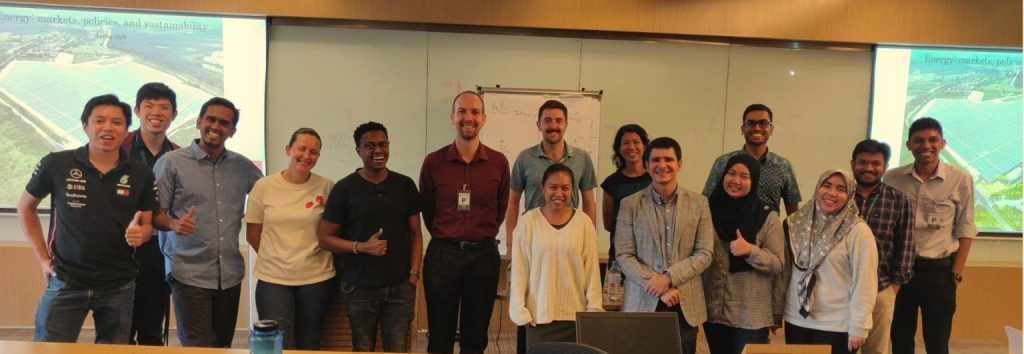
As an energy policy and business researcher, and professor of the ASB course “Energy: markets, policies and sustainability,” I have been asked by the media and other stakeholders on my thoughts of this move that surprised many. In particular, why this happened? And what does it mean for the global and Malaysian economy and energy industry?

WHY OPEC+ FAILED TO REACH AN AGREEMENT

With prices floating around $60 and below, Saudi Arabia and OPEC partners have been trying to get Russia’s cooperation to production cuts in order to bring prices up. OPEC is responsible for about 42% of world oil production and Russia, alone, for another 10% of the 100 million barrels of oil per day of world output. So to get Russia onboard with a new round of production cuts was critical for the cartel to bring prices up.

However, Russia preferred to not do it, fearful of cutting production would only cede market share to other producers outside of the arrangement, like companies that extract oil from shale in the United States or deep offshore from Brazil, where production has been booming. For many years, only Saudi Arabia showed leadership to lead production cuts and try to sustain an above-market price.

It does so with a big cost: maintaining idle infrastructure in terms of spare capacity, wells that are ready to produce but stay put, and losing market share to other producers who do not need to cut. Costs and risks disclosed during the Saudi Aramco IPO which we discussed in class, for example. What happened this weekend is that Saudi Arabia got tired of trying to sustain production cuts alone, without the help of another major producer like Russia, and decided to open the spigots.

It has happened before in the mid-1980s, in 2014, and now again in 2020. It is related to a fundamental problem of managing a cartel of producers: everyone benefits from higher prices, but benefit the most those who keep selling all they can while the rest reduce their output. Now, Saudi Arabia is punishing their partners by showing that if they do not come on board, the Saudis will flood the market with oil and the rest will lose. This is the supply side of this price shock.

COVID-19 AND A DEMAND SHOCK

To make matters worse, we are also living a demand shock. Already at the beginning of the year there were signs of an oil glut – excess capacity in comparison to a slower demand growth. After the Covid-19 outbreak, the situation only got worse. The International Energy Agency estimates that, for the first time since 2009, the oil demand will fall compared to the previous year.

The Covid-19 has been showing to be not just highly contagious for human health, but also to the globalized economy. Countries and firms are reacting to the virus by quarantining people, making them work from home, cancelling events.

These decisions are a direct hit to the transportation sector which is the most oil intensive. About 29% of all energy consumption is used by the transportation sector and almost all of it (96%) comes from oil. The longer the virus is among us and social distancing measures are adopted, the greatest the impact to a key consuming sector of the oil industry.

IMPACTS TO MALAYSIA

As an economy dependent on the oil industry, few sectors of Malaysia stand to win from a drastic fall of prices. Instead, the combination of economic slowdown from the Covid-19 and low oil prices will make it a tough year for the Malaysian economy.

First, the fiscal impact can be quite negative. In 2019, an estimation by the Ministry of Finance pointed out that every US$1 of oil price increase could add about RM300 million to the budget. The 2020 budget was designed with a forecast of a $62 oil price and Saudi’s decision led the barrel to be traded at $30s. Therefore, a drop of $30 would create a budget shortfall of about RM9 billion in one year.

This is almost half of the RM20 billion stimulus package recently launched. So you can face a situation of having less revenue from economic activities because the economy is slowing down (taxes), with the oil sector reducing its fiscal contribution, at the same time that there is more pressure to increase spending and reduce the effects of the Covid-19.

The low oil price also affects another large portion of the Malaysian economy: the oil and gas supply chain, from yards to service suppliers. Some Malaysian companies have successfully expanded abroad and are doing oil and gas jobs in many parts of the world, not only here. Low oil prices reduce new investments in exploration and production and lead oil operators to force contract renegotiation with suppliers to further cut operational margins. Therefore, suppliers in the industry can also be hit by this price shock, even if their order book is healthy.

CYCLICAL, BUT NOW UNDER LONGTERM THREAT

In the near term, the oil industry, and countries that rely heavily on O&G exports for their economy, will face a double shock of supply and demand. This will likely keep prices low for some time – unless OPEC partners come back to the table and bargain with Saudi Arabia to reduce production. In the medium-term, low prices reduce investment in exploration and production, putting into risk future capacity.

Every year, the global O&G industry needs to find and develop an additional 3 million barrels of oil per day just to compensate for the natural decline from aging fields. The catch is that it can take a considerable amount of time to bring new supply capacity to the market. For example, a deep offshore field can take up to 10 years from area acquisition to first commercial production.

With low oil prices, operators cut back investment now, and when demand start to ramp up again, the supply may be tight, a dynamic that can bring prices up again. That is why oil prices are so cyclical and this is a risky business. However, there are good reasons to think that we may start to depart from this “business as usual” scenario. A combination of declining prices and policy activism against climate change is making renewable sources of energy more competitive each day.

The rapid growth of electric vehicles (EVs), which are much more efficient than internal combustion engines (ICEs), along with declining battery cost, can radically transform oil’s golden market share which is transportation. A study by BNP Paribas calculate that the combination of falling cost of renewable energy generation from wind and solar and EVs (which are essentially “batteries on wheels,” providing a solution to the intermittency problem of renewables) can be drastic to the oil business.

The study calculates oil’s long-term break-even price to be competitive with EVs (in terms of how much mobility you can buy) to be between $11 and $20. If that proves to be true, the current oil price will turn out to be rather expensive than cheap.

In the ASB course “Energy: markets, policies and sustainability,” we cover the economics and politics of energy markets and the likely impacts of different scenarios. Our students come out of it prepared to react and become leader in their fields by recognizing how the energy industry is being affected by technological changes, geopolitical and policy pressures, and also seemingly surprising (but not unprecedented) events, like what happened this week following Saudi Arabia’s decision.

Prof Renato hails from Brazil and received his PhD in Political Science from MIT. He is a resident faculty member teaching the MBA program at the Asia School of Business.

If you are interested to know more about our exciting MBA programs click here.

What do you get when you put a group of young professionals with a diverse set of mentors in a speed-dating format?

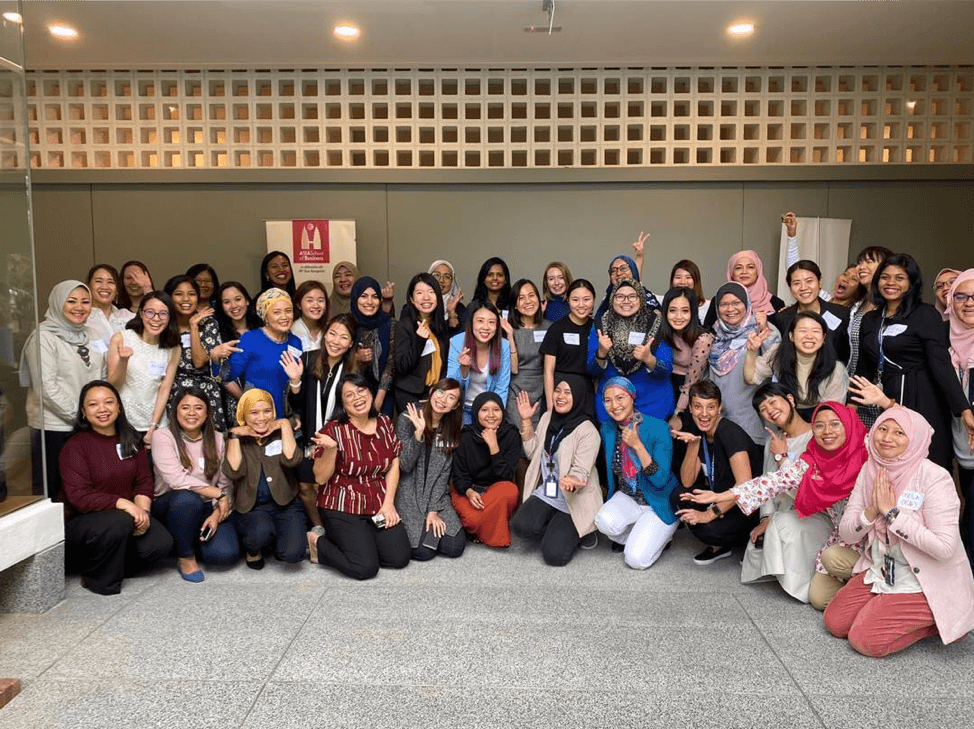
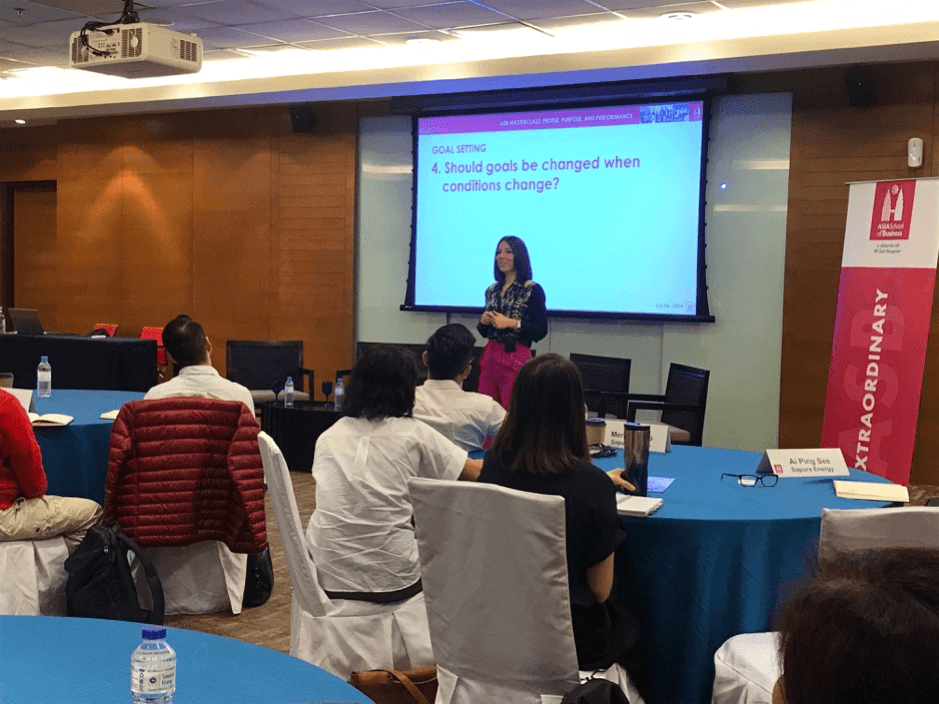
We were equally curious, so we decided to test this on Valentine’s Day this year, during our annual Ladies’ Lunch Event, a platform where we invite a group of young female professionals who are looking at advancing their careers.

The result? Beyond our expectations!

In general, participants captured a lot of values given the broad mix of mentors from different backgrounds, each bringing their own unique lessons to the table. In return, the mentors were equally energized by the conversations at the table, that uncovered different perspectives and challenges.

Here are my 5 key takeaways on “How to Future-Proof Your Career” from the session:

  • Define the journey – but not too rigidly By defining one’s career aspiration and development goals in each phase, we will find that we actively set our own career’s journey. It does not mean a perfect 10-year plan, but rather a vision of who we want to become, which certainly helps to provide more clarity when faced with options. It also helps us become more conscious of our development goals. Without aspiration, life can be set on auto-cruise and sometimes, we might miss an opportunity when it is not defined. On the contrary, having too rigid of a plan might get us blindsided and will invite stress, since most things are out of our control.
  • Reflect – what gets measured, gets done Some business leaders swear by this approach: what gets measured (and calendared) gets done. An effective reflection will allow us to course-correct. The important part of reflection is the ability to honestly put the mirror in front of us, and ask ourselves for the lessons and modifications we need to employ at that stage. Having the courage to admit and pivot is a critical part of one’s career reflection.
  • Say “Yes” – and say “No” Our mentors shared their own experiences on saying “Yes” to stretched assignments that opened doors and opportunities within their organizations. However, it is equally important to learn how to say “No” in certain contexts where boundaries and priorities need to be set. The wisdom is in the ability to discern which ones we will say “Yes” or “No” to – which can be cultivated through experience.
  • Enlist support – in many forms In any journey, it helps to have a series of support to lift us, to guide us or simply, to be our cheerleader along the way. These are the roles of coaches, mentors, sponsors and informal networks we build throughout our professional (and also personal) life. Most times, there is no specific structure for some of these roles, though personally, I found professional coaching has been helpful to me at various points of my career to help bring me to the next level. Having sponsors had also helped create career advancements that I would not have otherwise accessed. A lot of us also enjoy the support of informal mentors and professional networks who can come in many different forms. These do not necessarily come through a specific program but rather, a mutually agreed arrangement. Some of these can even be short but still enriching.
  • Build your brand – and be yourself We also touched on building our brand in a broader sense. In my group, I advocated the approach of building our core competencies as part of our professional identity. Having these core competencies will help us in navigating the changing career landscape more effectively – it is also important that we identify transferable skills as we switch industries or as we build our own businesses.

More importantly, all of us agree with the same mantra: Be ourselves. To show up better as a professional, we have to have the courage to embrace all parts of ourselves, rather than conforming to society’s definition.

In closing, we are very grateful for these amazing and generous female leaders who joined me at the tables as mentors:

  • Suit Fang Chin, Independent Non-Executive Director, Bank Negara Malaysia (formerly Partner, PwC Malaysia)
  • Datuk Zunaidah Idris, Head of Dealing, SVP, Corporate and Institutional Business Group (CIBG) Public, Hong Leong Investment Bank Bhd, MGA Council Member
  • Lily Rozita Mohd Khairi, Shell Ethics and Compliance Officer Downstream Global
  • Shasha Kartini Ridzam, AirAsia Group Head, Global Affairs, Government Relations and Sustainability (currently, Obama Foundation Leader)
  •  

Thank you to all our participants who have shown such enthusiasm in sharing their experiences as well. We hope that through such platform, we have planted some seeds and shown you possibilities that you can take with you on your career journey. Stay hungry and keep going!

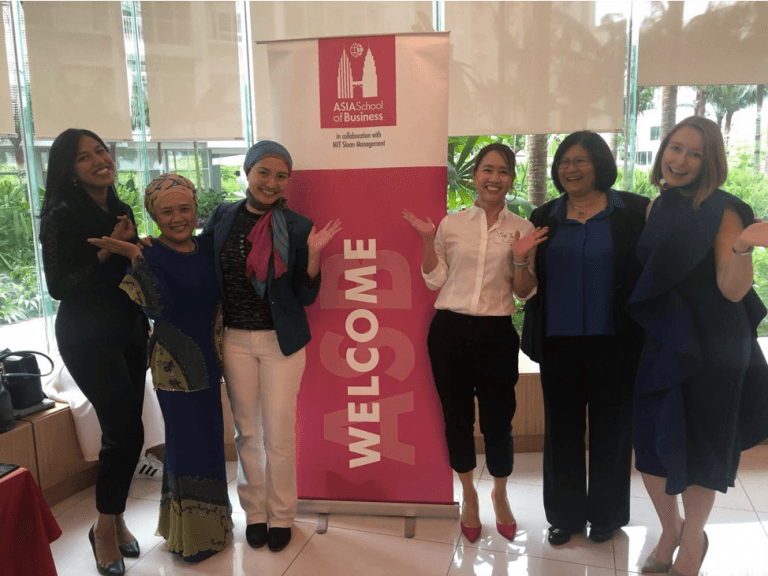
With fellow mentors Chin Suit Fang, Datuk Zunaidah Idris, Lily Rozita Khairi, and Shasha Rizam, and moderator, Alex Snedeker

Quotes from Participants:

“It was a valuable experience – it provided me clarity, inspired me to dream bigger and to move forward stronger!”
Khairul Alia, Talent Development and Succession Planning, Employees Provident Fund (EPF)

“The mentors today shared valuable real-life knowledge that inspired and challenged me.”
Siti Noorhana Saidin, Data Analyst; Lean In Malaysia Career Program 4.0 Graduate and Best Speaker

“Incredibly vibrant and supportive environment with generous and genuine exchanges!”
Chew Ai Hui, Investment Banking Analyst

“The job is easy, the people are not!”,  is a title of a class taught by Prof Loredana Padurean, the Associate Dean at the Asia School of Business (ASB) in Kuala Lumpur, Malaysia. She stresses that for most businesses, the actual job is not as difficult as managing the people doing the job. Loredana and her mentor Prof Charles Fine, now find themselves in Malaysia heading the “Start-Up” Business school which is founded by the Central Bank of Malaysia and established in collaboration with the MIT Sloan School of Management in 2015.

It is a first for Sloan; never has it co-established a school and given so much of its DNA, resources and insights to another entity. The Dean of ASB, Prof Charles Fine, he himself a highly regarded and tenured faculty member of MIT Sloan has spent the last 5 years in KL, transferring not only his ample knowledge and wisdom, but also the culture and DNA of MIT Sloan to ASB.

When MIT Sloan accepted Bank Negara’s proposal to collaborate, Charlie (as he is fondly known) was the MIT faculty member tasked to build this extraordinary and unconventional business school in Kuala Lumpur. Fast forward 5 years and ASB will see its’ third batch of Full time MBA students graduate in April 2020, at their sprawling new 350,000 sqft campus on top of Bukit Perdana in the heart of Kuala Lumpur. The Full time MBA is a 22 month, fully residential program that transforms mid-management executives and grooms them to become the corporate leaders of today and tomorrow, with a strong focus on Asia-centric culture and values.

Develop top talent into business-ready C-levels

Charlie however felt that while ASB was churning out quality MBA graduates who were quickly gobbled up by top companies throughout Asia, he felt that ASB should also offer a solution to companies who wanted to develop their internal talent without losing them to a 20-month full-time program.  Taking these corporate requests into account, Charlie was on a mission to develop an MBA program that could be done while working and yet, without compromising the ASB/MIT rigor and ‘hands-on’ approach to learning. After more than 1 year on the drawing board, ASB introduced the MBA for Working Professionals in 2019 and attracted a cohort of 18 students for its inaugural year.

The Working Professionals (WP) program, takes professionals out of their jobs for roughly 25% of their work time over a 22-month period. Students come into “Residency Weeks”, a 9 (nine) day stretch from Saturday to Sunday once every six weeks. On this 9 day stretch, students are placed in the ASB residence and peppered with classes taught by the MIT & ASB faculty. What is unique about this course is that students are not only encouraged but required to apply their learnings immediately into their working environments, supported by the faculty members and “business coaches”, who are industry practitioners and/or ex-consultants. ASB terms this as “Action Learning”.

While the WP program is definitely tougher and not for the faint-hearted, as balancing work, study and personal commitments is not easy, Charlie feels that those who come out of it have definitely gone through an intense stretch experience and the outcomes are truly transformative and tangible, with many evolving as principled leaders and next-generation management experts. Any company which is looking to promote and grow talent from within should look at what the WP program has to offer. The value proposition is quite unique, the sponsoring company gets to upskill and groom their highest potential talents, while keeping them productive whilst they study and then potentially locking down said talent for a few further years post-graduation.

On top of that, the candidates immediately contribute back to the company as soon as the MBA starts, due to ASB’s high emphasis on ‘Action Learning’ or taking what you learn and putting it straight into “Action!”. On the candidate’s side, they receive a globally recognised MBA which not only looks at technical skills but also professional development so that they not only know the job but can manage the people as well. Upon completion of the MBA, they would have been promoted to more prominent roles in their respective organisations and their market value and remuneration dramatically increase. Win-Win!

In delivering the WP program, ASB has developed a niche in transforming technical specialists into leaders in management. 70% of the inaugural cohort are technical specialists who have been sponsored by their companies to learn business, leadership, and management. This comes from the realisation that for technical-based businesses, hiring management talent unfamiliar to the technical operations of the company is not feasible. The only way to move forward is for the technical experts to rise into management roles where ultimately as Prof Loredana put it… “they know the job, and after completing the MBA, they know how to manage the people doing the job”.

The status of being a Start-Up Business School allows ASB to break away from traditional MBA methodology and delivery. Using the MIT curriculum and DNA as a guiding principle, ASB has in the past few years received accolades as being the most innovative MBA in the world (poets and quants) and recently was awarded the 2019 MBA Innovator Award winner for Early Stage Innovation category by the MBA roundtable, beating top global business schools in the process. So there you have it, a global business school right in the heart of Kuala Lumpur that not too many are aware of.

When asked why ASB has not been seen much on the local radar, Prof Fine says that the first few years since inception has been all about focusing on delivering a new, extraordinary and unconventional MBA of the highest standards. Now we have somewhat achieved this, Charlie says that ASB will be more prominent in the local and regional headlines as it ups it’s game and contributes more to the business fraternity in Malaysia, ASEAN and larger Asia.

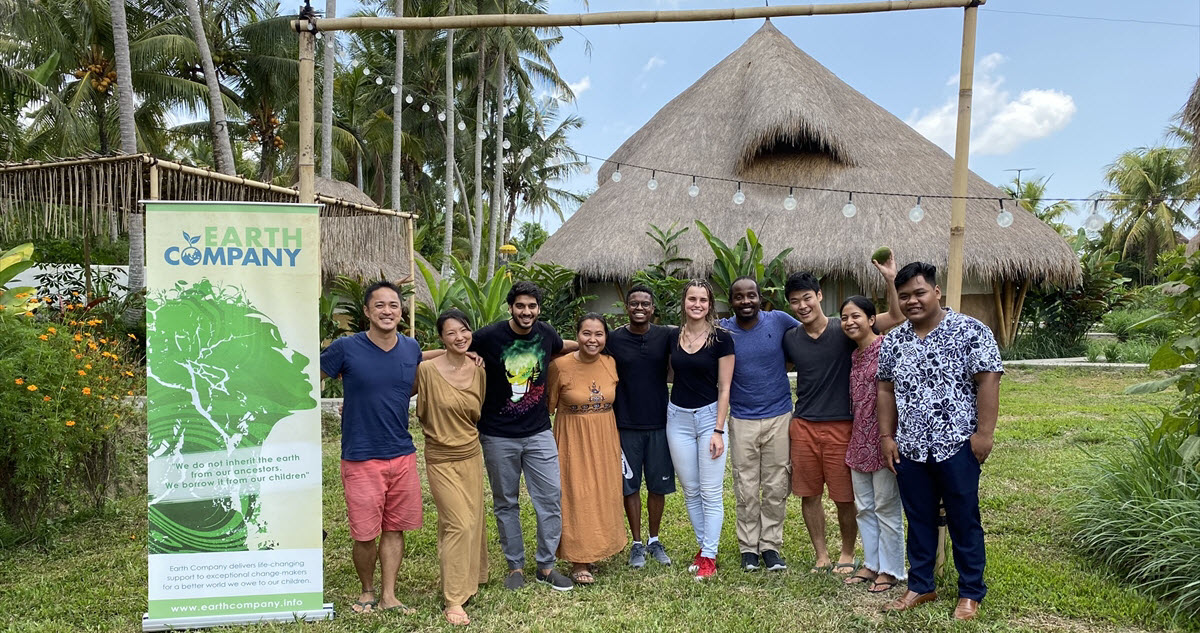
We are four MBA Students coming from different countries namely, Philippines, Bosnia Herzegovina, India, and Kenya, studying at Asia School of Business (ASB) in collaboration with MIT Sloan in Kuala Lumpur, Malaysia. Action Learning (AL) is part of our MBA program where we get to work with different companies and provide concrete solutions to business problems.

In our 4th term, we worked with Mana Earthly Paradise to help increase their brand awareness and occupancy rate through a marketing communication strategy. To be able to work closely with the Mana team, we stayed in Mana eco-lodging for almost a month and it was truly a unique experience. In this article, each person from the team shares honest observations and insights from their experience staying at and contributing to Mana.

Read the full article here.

From a trading post in Johor Bahru, Malaysia, buying and selling rice, sugar and wheat flour, the Kuok family – behind the internationally renowned Shangri-La Hotel chain – has built up an empire that spreads across five continents today. No longer merely a trader, the family does business in the property, hospitality, logistics, and maritime industries, just to name a few. This has pushed the family’s net worth to US$16.6 billion last year, making it the 15th richest family in Asia.

The Kuok family, headed by Robert Kuok, has also crossed the so-called valley of death for family businesses, with second- and even third-generation members of the family helming and managing certain arms of the corporation. According to a 2012 Harvard Business School study, 70 percent of family-owned businesses fail or are sold, before the second generation gets a chance to take over.

The statistics get more disheartening with each generation, with only 10 to 15 percent of family businesses making it through the third generation and 3 to 5 percent through the fourth. Perhaps the most famous example of dissipated wealth is that of the Vanderbilts, once one of the wealthiest families of the late 19th century.

At its height, the Vanderbilts’ fortune totaled over US$240 billion in today’s dollars. But its descendants lived lavishly, with little concern for preserving the family fortune. By the 1970s, not a single Vanderbilt millionaire remained. Why do some family businesses grow and thrive and others fail?

Family ties that unbind

While the answer to this question remains elusive, research by Dr. Ambra Mazzelli from the Asia School of Business (ASB) has theorized how social capital – the goodwill associated with an individual’s and/or organization’s social ties– can influence strategic decision-making.

The world-class business graduate school based in Kuala Lumpur is a collaboration between Bank Negara Malaysia and Massachusetts Institute of Technology’s Sloan School of Management. It was founded in 2015 in response to the need for highly qualified, industry-ready visionaries and entrepreneurs, to help organizations take advantage of the abundant opportunities that this Asian century is offering.

Dr. Mazzelli’s research shows that social capital is key in influencing strategic decisions in family businesses. Here, a student from Asia School of Business on her MBA project at a family business. Assistant Professor of Management and Organisations at ASB, Ambra Mazzelli, said social capital ultimately determines whether small family firms take the same route as the Kuok Group, potentially evolving into iconic, complex, and diversified organizations.

A paper on the research conducted together with Assistant Professor Robert Nason and Professor Michael Carney from Concordia University in Canada has been published in the October 2019 issue of Academy of Management Review – the most influential business journal worldwide.

The key to success, it seems, for business-owning families, lies in keeping their doors open to people both within and outside the family circle. Such extensive socialization affects how these families experience, filter, and interpret the external environment, which enables them to break free from old strategic frames – what one sees in its assessment of the world, including relevant competitors and how to create value – and make less conservative strategic decisions.

“Specifically, the integration of next-generation family members in decision making reduces the uniformity of interests, values, and beliefs, and simultaneously urges some degree of open discussion and exchange between existing and newly admitted family members,” she said. This, she says, “de-anchors” the business-owning family from a focus on the past and facilitates the identification and pursuit of new opportunities.

This ability to look beyond past success appears evident in Kuok Group, which has diversified extensively, with the help of next-generation family members. Today, it owns the luxury Shangri-La hotel chain, whose Asia division is headed by a member of the second generation. One of Robert Kuok’s sons leads Asia’s largest operator of offshore oil-and-gas exploration vessels, PACC Offshore Services Holdings, and a third son is a director at logistics and supply chain company Kerry Logistics.

Meanwhile, his nephew has co-founded Wilmar International, a giant in the palm oil industry. The family’s third generation is active in several of the group’s companies.

Outsiders offer a fresh perspective

Aside from next-generation family members, openness to influences from outside of the family circle, such as social class peers, also helps business-owning families consider growth opportunities without prejudice. Said Dr. Mazzelli: “Business-owning families who have a richer understanding of the dynamics of their environments and the structure of their industries may be better equipped to identify, act on, and legitimize opportunities.”

She added that professional advisors, such as lawyers, accountants, and professional trustees, thanks to their expertise, can offer a fresh perspective and invite family decision-makers to question their convictions and appreciate alternative viewpoints. It is a confluence of influences from socialization that pushes business-owning families to look outwards for opportunities and to undertake unusually bold strategic actions.

This, in turn, may help get them to grow from the family business to conglomerate, just like the Kuoks.

The Asia School of Business (ASB) is Established in Collaboration with MIT Sloan School of Management with the vision of becoming a talent magnet and multiplier for the region. We offer Extraordinary & Unconventional programs (MBA full-time and MBA for working professionals) for aspiring business leaders and an array of Executive Education courses for corporate clients. For more information about Asia School of Business and programs on Family Businesses, just email us at corporatedevelopment@asb.edu.my.

Ambra Mazzelli is an Assistant Professor of Management and Organizations at Asia School of Business (ASB) and an International Faculty Fellow at MIT Sloan School of Management. Ambra’s research interests lie in studies surrounding organization and management theory, with special concern to how these dynamics affect change in family and non-family firms.

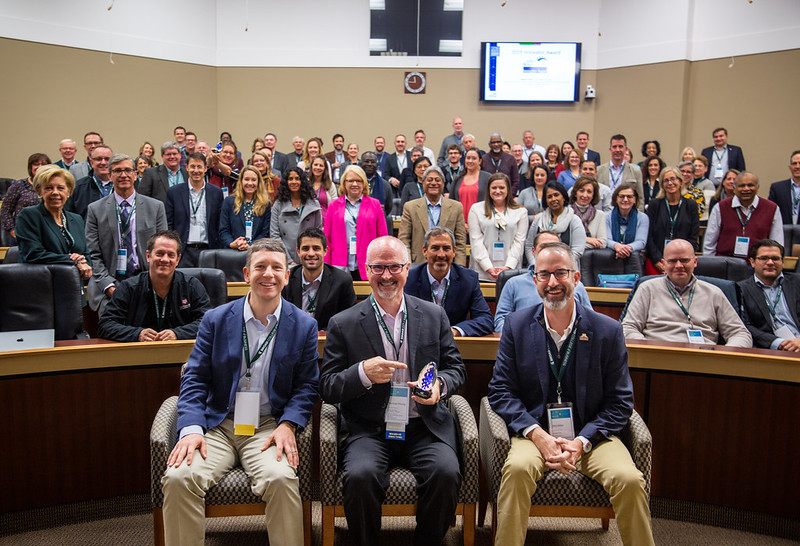
KUALA LUMPUR: The Asia School of Business (ASB) was announced as the 2019 Innovator Award winner in the Early Stage Innovation category by the MBA Roundtable. The award recognizes the school’s leadership in initiating and achieving curricular reform through its use of Action Learning in its MBA Programs, beating top business schools in the process.

Created in 2011 by the MBA Roundtable to promote educational initiatives that advance innovation in MBA education and to acknowledge institutions that drive change in the field, the Innovator Award raises awareness of ongoing continuous curricular and co-curricular improvements and educates employers, business school leaders, and faculty about innovative practices of best-in-class MBA programs.

Business schools that offer an MBA degree and have taken initiatives such as program revisions, course content or delivery changes, or co-curricular experiential learning opportunity are eligible to participate. Initiatives are first evaluated on concept, execution, and impact; finalist schools are identified and interviewed and one school is selected as the award recipient in each category.

Finalist and recipient school initiatives cover every aspect of the content-pedagogy-format curricular framework with impact reach locally and globally, and with benefits to the learner, business and community. “ASB’s unique value proposition is to deliver high quality education through an intense action learning curriculum. Our Action Learning modules creates productive opportunities for our students in each of the 5 semesters they are with us to engage with partner companies across the region and beyond in month long projects of various range and focus.

Since 2015, ASB has partnered with more than 127 companies on over 237 projects in over 20 countries around the world,” explained Prof. Loredana Padurean, Associate Dean and Faculty Director for Action Learning. “Receiving the Early Stage Innovator award from the MBA Roundtable is an important validator for our ambitious start-up filled with so many extraordinary goals.

We want to thank not only the selection committee for the acknowledgement but especially all members of our community: students, faculty, staff, corporate partners and supporters of the school who made this happen,” she added. “

Mens et Manus (Mind and Hand), has been the motto for MIT Sloan since its inception in the 19th century. In today’s business world, this motto is as relevant now as ever, because the world needs leaders and changemakers who can be actively engaged in bringing leadership to a mature organization, as readily as they would in a hands-on role, building a start-up.

Our ASB graduates not only earn an MBA that is embedded with MIT Sloan DNA, but also gain an Asian perspective and an entrepreneurship mindset in the process. On behalf of the entire team at Bank Negara Malaysia, MIT Sloan and the extraordinary and unconventional ASB community, we want to thank you for this award that recognizes all of our collective efforts,” said Professor Charles Fine, President and Dean of ASB.

Between juggling back-to-back classes, participating in extracurricular activities and navigating professional pursuits, it is unsurprising that MBA students sometimes feel overwhelmed by their ever-expanding to-do list. How should MBA students think about maximizing their experience within and beyond the classroom?

“No matter what your career aspirations are, you should begin by thinking carefully about why you are engaging in any activity and what you can expect to get out of it,” writes Robert Pozen in his book Extreme Productivity: Boost Your Results, Reduce Your Hours. Pozen is a Senior Lecturer at the MIT Sloan School of Management, former president of Fidelity Investments and executive chairman of MFS Investment Management.

Given Pozen’s extensive experience juggling multiple hats across academia, finance, government, law, and journalism (just to name a few), I sat down with the productivity guru to draw insights on how students can boost their productivity to make the most of their time in business school.

Work smarter by identifying your priorities

The key to learning is becoming conscious about what you want to get out of the experience. Given an MBA’s regimented academic schedule, it is important to ask yourself these questions:

  • What are your priorities?
  • Which classes are the most important to you?
  • What do you hope to get out of these classes?

With finite time and competing priorities, it is crucial to be intentional about how you are spending your time and to devise a strategy to optimize your productivity. Pozen recommends the following: The night before class, review your schedule with your top priorities in mind. These priorities are the yearly goals that are operationalized through weekly goals.

Think about what you wish to focus on and how you will allocate time to prepare for your classes. He also suggests jotting down your objectives next to each event in your schedule. This will help align your daily activities to the yearly goals that you have identified.

Rethink how you read and write

According to Pozen, one of the things that characterizes productive people is that they always think before they act. How can students incorporate productivity principles into the act of reading and writing? “There are some materials that you read for background information and others that you read for a close textual analysis. To ensure that you are able to efficiently retain the information that you have read, you have to be clear about your purpose for reading before you read anything,” Pozen says.

With writing, the key is to first understand the logical order of your argument. Next, write an outline before you write anything substantive. An outline will keep you on track by putting the logical order of your arguments on paper. If you don’t do that, you will have a hard time figuring out what you are trying to communicate. Pozen also encourages students to start thinking about the exam or final paper midway through the semester instead of at the end of the semester. Students need to ask themselves the following:

    • Can I go through this course in a way that will prepare me for the exam?
    • What sort of questions are on the exam?
    • What areas do I need to cover?

For research papers, Pozen warns against waiting until the end to synthesize the data, suggesting instead that students should start writing a tentative conclusion after carrying out 2 days of research. “If you wait until the end, you may end up with unimportant information or risk losing out on critical information,” he notes.

Every research paper has analytical issues, which you should try to identify as early as possible. Start with a draft, which you can change every week as you obtain more information. If you keep working on it, you will be gathering the right data in a focused manner.

Map out your career goals

Beyond the classroom, a substantial part of an MBA program is networking. Pozen advocates for students to not only form close bonds with their classmates, but to expand their network by getting to know businesspeople in their communities.

At the outset, map out your career goals (the industry/area you wish to pursue), then think about the companies and people who would have the connections that you desire. “Unless you start off by being clear about the industry you wish to pursue, how would you know who to network with? The more focused you are, the more likely you are to succeed,” he says.

Maximize your options

When it comes to career planning, Pozen believes that students should remain agile as the world is changing at a rapid pace. His theory of how to build a career is to increase your options. “Let’s say you have been a trader on a trading desk and you have two options: more money to move to a different trading desk or an opportunity to be a manager.

You are better off taking the job as a manager, because in five years, you would have managerial experience as well as trading experience. This transferable knowledge will increase your probability of success in the future.” You don’t know what the world will look like in five years or how you will feel about your career at that point in time. As you consider your next career move, make choices that will maximize your options and alternatives.

This article is a continuation of a previous article introducing the field of political economy and its role in the energy industry. Read it here. 

Renato Lima de Oliveira, an Assistant Professor of Management at Asia School of Business, studies the connections between political actors and businesses, focusing on the energy sector. While much of his research centers on the oil and gas industry, he also sees a need for countries to transition to renewable energy sources. He believes both government and traditional energy producers have a part to play in this transition. 

“The good thing is that renewable technology has advanced so much that it’s the cheapest alternative,” he notes, adding that recent bids for large-scale solar have been as low as USD $0.03 per kWh. But he also notes that economics alone cannot fuel the transition from a fossil-fuel based economy to one focused on alternative energy. The government also has a responsibility to design cost-effective policies that stimulate the new sector. 

He cites Germany as a prime example. The country has a high amount of installed solar capacity despite its relatively low level of sunlight. Political factors are what drove the solar industry to develop the way it has. Alternative energy companies also have resources at their disposal to influence their position in politics, including advocacy and coalition-building. 

Coalitionbuilding in particular can take interesting forms. For example, the Trump administration in the U.S. has favored the coal industry, leading to a coalition between shale gas and solar producers. Both parties saw the coal industry as a common, and less favorable, enemy, making for an unlikely alliance. In Malaysia, the government has publicly pledged to increase the share of renewables in the country’s energy mix. Malaysia is home to one of the largest manufacturers of solar panels and receives a high level of sunlight.

Given these factors, it would seem that the solar industry is here to stay. But Renato cautions that without a political coalition, pledges may go unfulfilled and pro-renewable policies may not endure over time. Developing these “nonmarket strategies” is at the heart of his research. He answers questions such as, what kind of government support mechanisms can facilitate innovation? Why does Indonesia have a certain business environment? Why can’t Malaysia escape the middle-income trap? He claims each of these economic questions has a political explanation. 

From MIT to Malaysia 

When Renato first discovered the striking similarities between Malaysia and his native Brazil, he became intrigued. The two countries had a similar per-capita GDP over time as well as a similar level of oil production. Both had state-owned oil companies that were required to invest in local manufacturing and innovation. These similarities prompted him to include Malaysia in his research on energy policy and economics. 

He visited ASB just after the school was founded. At the time, the first class of students had not yet enrolled, so he spent his time as a visiting researcher talking to industry experts and poring over documents in the archival library. After receiving his PhD, Renato entertained multiple job offers, but came to Malaysia because he loved its people and relished the chance to help build a business school from the ground up.

“ASB is a transformative project,” he says, because the school focuses on teaching that is not just theoretical but has practical component. He also resonated with the school’s mission to research and reflect on the challenges of doing business in emerging economies. In particular, he sees the central role of politics as a defining characteristic of emerging economies. 

You cannot do anything in ASEAN without thinking about politics,” he notes. Malaysia is shaped by the presence of GLCs, Myanmar is affected by its new democracy, and Vietnam’s economy is changing under a one-party regime. He witnessed this firsthand when advising two students completing their Summer Associate Program.

The students worked at a large bank in Myanmar at which there was little bureaucratic structure in place. At the time, the rate of credit growth was high in the country and the central bank’s policies were changing fast. Renato helped the students put together a report for the company that would allow it to adapt to its changing circumstances. One of the students, Eizaz Azhar, says that he landed his post-MBA job in part because of the report. 

Renato believes that helping students think through these political scenarios, both in and outside of the classroom, is a crucial part of his job. “My students come to understand how political actors affect the business environment,” he notes, “as well as how business organizations can change their political reality.” 

Renato Lima de Oliveira, an Assistant Professor of Management at Asia School of Business, thinks more businesspeople should be thinking about politics. “My course prepares students to become CEOs,” he says. “When you’re in a position to allocate investments, both over time and among different countries, you need to consider more sources of risk, including political risk.” 

Renato teaches two courses at ASB. One is focused more broadly on political economy and its applications in business. The other focuses specifically on the energy industry. In his political economy course, he teaches students how to understand and articulate the rules, both written and unwritten, under which businesses operate in different jurisdictions. He claims it is essential to understand political processes and develop a “nonmarket strategy” to ensure success. 

He looks at firms as political actors that have to deal with multiple stakeholders when managing their environmental, health, and other impacts. Business leaders must also understand how regulations are developed and passed in order to make informed decisions. When they fail to consider the political environment, there are often huge consequences. 

For example, there are cases of US companies investing in China that misread the rules of the game of Chinese capitalism,” Renato notes. “They complain about the government stealing trade secrets, being forced into joint ventures, or expropriated. This could have been avoided with a knowledge of political economy.” 

A new outlook on energy 

Renato began his unconventional career as a business reporter, covering many industries including the energy sector. From his reportinghe saw firsthand the massive influence the industry had on other parts of the economy, as well as on people’s lives. In particular, he saw how policies designed to promote the energy supply chain changed the lives of workers who had moved to the sector from other industries such as agriculture. 

This shift happened because oil and gas companies were required to invest in local manufacturers. After talking to these workers and their families, Renato knew this was an industry in which he wanted to work. He earned his Master’s degree at the University of Illinois and his PhD at MIT before joining ASB. 

His research focuseon which factors helped maximize the benefits of energy production, especially the “spillover” effects the industry had on research and development, manufacturing, and the supply chain. Until now, these effects had been left out of the literature. 

Not all oil is created equal 

To Renato, the way the oil and gas industry is currently studied assumes the same difficulty of extraction in every country. But he has found that differences in accessibility shape the way that energy policy is written, as well as the economic outcomes. To demonstrate this, he studies three countries and their differing approaches to energy policy: Mexico, Brazil, and Malaysia. 

“I chose these three countries because they have a similar per-capita GDP over time,” he explains. “However, Mexico’s oil production spiked in the late seventies and has been much higher over the past four decades.” Despite higher production, Mexico’s economy grew no faster than Brazil’s or Malaysia’s. The ease of extracting oil in Mexico meant there was little need to innovate or further develop the economy. 

On the other hand, oil companies in both Malaysia and Brazil expanded abroad and developed new technologies. Both countries also required the use of local firms to provide equipment and services, stimulating local economies. Renato found that it was harder for countries with easy access to resources to have an alignment of interests that could lead to investments in technology development and cost efficiency, one potential outcome of a phenomenon called the “resource curse.” 

“When you’re under constraints, you have to overcome them, and that’s where ingenuity comes from,” he says. “There are extra benefits from putting the right incentives and policies in place.” 

The role of the government 

“The energy industry invests 1.8 trillion dollars annually, three-fourths of which is influenced by government or made directly by state companies,” Renato says. “This huge industry is also one of the most political industries in the world.” According to him, the government has three main responsibilities when it comes to energy: accessibility, affordability, and reliability.

In other words, citizens must have access to electricity with few to no outages at a reasonable priceideally without relying too much on subsidies. It is also important for energy production to be sustainable over time, both environmentally and financially. Governments should invest in the future of energy and help prepare their countries for transition to lower-carbon energy sources. 

Stimulating technology development is also an important part of this responsibility, accomplished by providing both the environment and incentives for innovation. In particular, the business environment must invest in both human resources and research, rewarding not just the incumbents but disruptive firms as well. 

The second installment of this article will focus on how renewable energy providers can benefit from the use of political economy, as well as how Renato came to teach at ASB.