Asia School of Business

Global Inquiry, Local Heart

PETALING JAYA: Substantial policy backing, societal buy-in and integration with broader socio-economic measures are needed to ensure the success of the Employees Provident Fund’s (EPF) new three-tier savings framework.

With the aim to serve as a guide to EPF members on the savings required for a comfortable retirement, the new Retirement Income Adequacy (RIA) Framework was launched yesterday in tandem with the Belanjawanku 2024/2025.

Set to launch in January 2026, the three tiers are namely basic savings, which covers basic necessities; adequate savings, which provides a reasonable quality of life; and enhanced savings to support a higher quality of life.

UCSI University Malaysia finance associate professor and CME research fellow Dr Liew Chee Yoong said the RIA framework sets a structured, multi-tiered system to cater to the varying financial realities of Malaysians and is a progressive shift in managing retirement funds.

“This shift stands out because it recognises the multi-faceted challenges of retirement planning in a country facing rising living costs and a significant informal sector.

“The framework’s comprehensive approach suggests EPF’s intent to transition from a savings-focused model to an income-focused one, crucial for addressing financial security in retirement,” he told StarBiz.

The RIA framework is based on an estimated monthly expenditure of RM2,690 (adequate retirement income) for a single elderly person in Klang Valley, as per the Belanjawanku 2024/2025 guide.

Under this framework, someone within the adequate savings tier must have 240 times the adequate retirement income, amounting to RM650,000 (rounded up to the nearest RM10,000).

An individual is advised to have at least RM390,000 (60% of the amount in adequate savings) in the basic savings tier.

Meanwhile, a person in the enhanced savings category must have two times the adequate savings sum or RM1.3mil.

The current basic savings framework, first introduced in 2008, is a single-tier benchmark.

It is currently set at RM240,000 at age 55 and based on the prevailing minimum government pension of RM1,000 per month.

To phase the transition to the new basic savings level of RM390,000 under the RIA Framework, the EPF stated that the basic savings amount will gradually increase by RM50,000 annually over the next three years.

While the three-tiered system is a well-structured approach, Liew points out that its feasibility hinges on multiple factors.

For instance, he noted that the basic savings tier is designed to provide minimum guaranteed income and is feasible if sufficiently financed through EPF savings or government subsidies.

“However, given the statistic that only 36% meet the basic savings level, this tier’s implementation will likely require substantial government intervention or alternative funding sources,” he said.

The EPF also announced that the withdrawal policy for savings above RM1mil will align with the enhanced savings benchmark (RM1.3mil), offering members flexibility in managing their surplus funds.

Like the basic savings level transition, the threshold for this withdrawal will be increased gradually by RM100,000 annually over three years.

The EPF also proposed changes to withdrawals. Under the Members’ Investment Scheme, members can transfer 30% of savings above the basic savings amount in Akaun Persaraan to approved funds managed by fund management institutions.

EPF revealed that as of October 2024, around 36% of active formal EPF members meet the existing basic savings level, which means most Malaysians risk retiring without sufficient funds.

Even so, experts are of the view that although the RIA Framework provides an immediate structural solution, it does not fully address the country’s growing retirement crisis and rising cost of living.

“The framework’s emphasis on flexible withdrawals and voluntary contributions can help, but only if members are financially capable of utilising these tiers effectively.

“Without systemic reforms such as mandatory higher contributions, improved financial literacy or government-backed supplementary pensions, the framework risks being a temporary fix rather than a sustainable solution,” Liew cautioned.

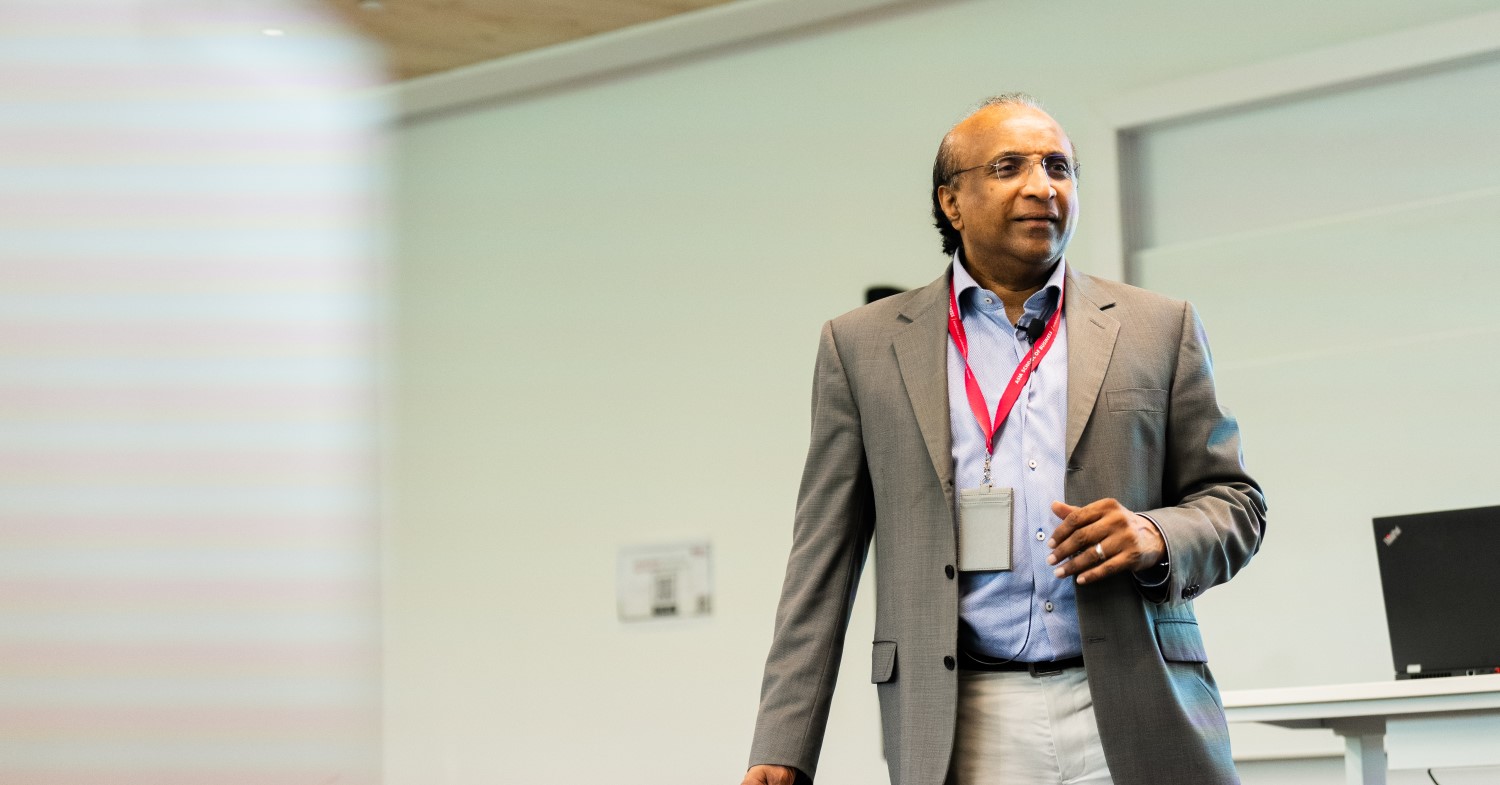
To this end, Asia School of Business deputy CEO and practice professor of Finance Prof Joseph Cherian said achieving the desired or target income level in retirement depends on having a sufficiently long savings runway and ensuring that income adequacy is maintained throughout.

This is something that requires careful planning, disciplined savings and strategic management of financial resources over time.

“Ideally, the retirement payouts under the RIA Framework should be indexed to inflation, the cost of living, or the standard of living – whichever is most relevant to ensure financial security in retirement.

“However, this alone may not be sufficient. The government should also consider incorporating a form of tail risk insurance within the framework, such as longevity risk coverage via the EPF,” he said.

For example, if an individual lives 20 years beyond their planned retirement period, they risk exhausting their savings.

To address this, the RIA Framework should be structured as a life annuity rather than a term annuity, ensuring lifelong income security.

Furthermore, Cherian said there is also a strong need for a needs-based social security scheme to support those who may lack adequate savings or income, thereby addressing the issue from a holistic perspective.

On the positive side, Bank Muamalat Malaysia Bhd chief economist Mohd Afzanizam Abdul Rashid said the new framework will nudge policymakers to focus on how the country would elevate the salary and wages among the workers through education and training.

Mohd Afzanizam opined the new roll out reflects EPF’s efforts to promote granularity in setting the right benchmark in having a comfortable level of funds when a person retires.

“It would also give the members a sense of urgency to build their retirement coffers by being more judicious whenever they plan to withdraw their money from EPF,” he said.

He said the government would need to ensure the country is competitive whereby the system will reward those who work hard and bring about greater productivity and profitability. He is of the view that the new yardstick would serve as a guidance in enabling the country to avert a retirement crisis.

On the other hand, Economist Geoffrey Williams said the income requirements in the RIA framework are higher and appear more in line with estimates from Bank Negara and the Statistics Department.

“The striking aspect from the announcement is that the required savings show how difficult it will be for millions of people to achieve the target.

“For example if a person has no savings now and is 40 years old, he will struggle to get to the required RM390,000. If you are 50 years old it will be almost impossible to get there. You would need to save almost RM3,250 per month whereas the median wage is RM3500 for that age. So you need to save almost everything you earn,” he said.

Originally published by The Star.

Kelestarian merupakan segmen baharu yang dilihat berupaya untuk memacu masa depan lebih mampan buat negara. Penerokaan dalam sektor teknologi dan kewangan hijau dilihat membuka ruang baharu dalam menjana bukan sahaja ekonomi, malah penyelesaian mampan ke arah membentuk masa depan Asia Tenggara. Bagi membincangkan peranan penting sektor tersebut, Asia School of Business (ASB) menghimpunkan pemimpin global, inovator, ahli akademik dan penggubal dasar dalam Sidang Kemuncak Kepimpinan Green@ Work 2024 di Kuala Lumpur baru-baru ini.

Menurut Ketua Pegawai Eksekutif, Presiden yang juga Dekan ASB, Profesor Sanjay Sarma, sidang kemuncak tersebut menyediakan platform dinamik untuk menangani isu-isu mendesak di seluruh sektor perniagaan, tenaga dan kewangan, sekali gus mencetuskan perbincangan mengenai kerjasama serta cara memacu masa depan lebih mampan bagi rantau ini. “Sepanjang sidang kemuncak berkenaan, perbincangan utama kita adalah berkisar tentang peranan transformatif teknologi hijau dalam memacu daya tahan ekonomi dan kelestarian alam sekitar.

Read the full article HERE.
Originally published by Kosmo
.

Careers in technology are popular, but is the tech industry right for you?

Download the free BusinessBecause Careers In Technology Guide to find out all you need to know about this highly popular career path. 

Inside, you’ll find a breakdown of the different career paths available to business school graduates in tech, as well as the salaries and benefits on offer for those entering the sector—from Big Tech firms like Amazon and Google to innovative tech startups. 

You’ll find out what makes tech a top career path for ambitious professionals looking to work in one of the world’s most dynamic and rewarding industries, learn which skills you need to successfully navigate a career in tech, and uncover your prospects if aiming to begin your journey in the sector today. 

Plus, we also provide key insights from career experts and business school alumni on how to launch your career in the sector. You’ll find advice and insights from previous students now working with the likes of Microsoft, Google, Amazon, Adobe, and TikTok. 

Careers in technology: 5 top skills 

1. Adaptability 

Tech companies are often the first to adopt innovative new tech and therefore evolve at a faster pace than firms in many other industries—just look at how much money the sector is investing in generative AI. Working in technology requires you to be able to match that pace, ready to harness your skills in new areas as they emerge.

2. Stakeholder communication 

The typical tech firm comprises an array of functional teams, ranging from sales to marketing to engineering. Navigating the sector requires you to be able to operate and lead across these functions, while you must also be able to communicate with external stakeholders including corporate clients and everyday customers.

3. Data literacy 

Not all tech roles focus on working with technology itself, however industry insiders note the benefits of being data literate in allowing you to better serve customers and communicate across teams more effectively. As the industry continues to evolve, knowledge of fundamental data concepts can also prevent you falling behind.

4. Problem solving 

Fundamentally, technology is a major contributor to the world economy because it provides solutions for consumers and corporations. If you want to work in tech you need to adopt this mindset; prepared to make the link between technology and its use cases and solve the problems that arise as you strive to achieve new things.

5. Passion 

As the previous skills indicate, working in tech is about being part of an innovative space; where nothing stands still, and new things occur every day. Being passionate about using new technologies, discovering new products, and unearthing new solutions is important if you want success and longevity in the industry.

Originally published by BusinessBecause.

SUSTAINABLE living is not a new concept; it is now a vital topic in light of the profound changes affecting the little blue planet. For too long, humanity has “repaid” Earth’s generous gifts with harmful emissions, unleashing dangerous gases that have dire repercussions for the environment.

Climate change, exacerbated by toxic emissions from large manu- facturers and a careless public, has wreaked havoc on the planet. Rising sea levels, melting ice caps and relentless heat waves have become so commonplace that they often fail to provoke a second thought.

Read the full article HERE.
Originally published by New Straits Times
.

Green technologies offer promising solutions to waste challenges in ASEAN. L-R: Zain Almohdzar (Co-Founder of Klean), Sarah Cragg (Head of APAC Partnerships at The Earthshot Prize), and M. Huzaini Ghazali (Chief Strategy and Portfolio Officer, Gentari).

KUALA LUMPUR: The Green@Work Leadership Summit 2024, hosted by Asia School of Business (ASB), brought together global leaders, innovators, academia, and policymakers to discuss the crucial role of green technologies, green finance, and sustainable solutions in shaping ASEAN’s future. The Summit provided a dynamic platform to address pressing issues across the business, energy, and finance sectors, sparking discussions on collaboration and ways to drive a more sustainable future for the region.

In his opening address, Encik Muhammad Hidayatullah Bin Nasrul, from the Ministry of Natural Resources and Environmental Sustainability, highlighted Malaysia’s commitment to becoming a regional leader in sustainability. “Malaysia is at a critical juncture where sustainability is essential, not optional. Initiatives like the Bursa Carbon Exchange and rising renewable energy investments signal our commitment to lead in sustainable development. Collaboration across sectors is key to ensuring our nation achieves its green goals while inspiring ASEAN to prioritize environmental resilience,” he said.

Throughout the Summit, key discussions revolved around the transformative role of green technology in driving economic resilience and environmental sustainability. Professor Sanjay Sarma, CEO, President, and Dean of ASB, emphasized that green technology is no longer a trend but a vital solution to the existential challenges the world faces. “The global green tech market is projected to reach USD 62.4 billion by 2030, with Southeast Asia leading the way. Embracing these innovations is essential for ASEAN’s economic and environmental future,” he said.

The importance of circular economy models in scaling sustainable solutions was a key theme, with Zain Almohdzar, Co-Founder of KleanSarah Cragg Head of APAC Partnerships at The Earthshot Prize and M. Huzaini Ghazali, Chief Strategy and Portfolio Officer at Gentari discussing how transformative green technologies can address waste challenges in ASEAN.

Zain noted, “Circular economy initiatives are crucial in addressing waste challenges in ASEAN, where the region generates over 150 million tons of waste annually. Innovative technologies, such as advanced recycling systems and digital waste management platforms, are key to scaling these solutions and could potentially reduce landfill contributions by 25% within the next decade.”

Blended finance also emerged as a vital mechanism in supporting the green transition. Professor Joseph Cherian, Deputy CEO of ASB and Practice Professor of Finance, emphasized how blended finance can bridge the funding gap by bringing governments, businesses, and investors together, hence accelerating the green transition. “Blended finance is not just a tool, it is a catalyst that can unlock trillions in investments for green initiatives. From accelerating carbon market development to funding renewable energy projects, it creates pathways for public-private partnerships that drive large-scale impact,” he explained.

The intersection of green finance and regulation was another focal point, featuring a panel discussion moderated by Johan Rozali-Wathooth, CEO of Bintang Capital Partners. The panel included Muhammad Rizal Azmi, AVP of Business Development & Sales at Bursa Carbon ExchangeSalmah Bee Mohd Mydin, Executive Director of Market Development at Securities Commission Malaysia and Yin Shao Loong, Deputy Director of Research, Khazanah Research Institute. They explored how evolving regulatory frameworks can unlock new green financial solutions. Salmah Bee highlighted the rapid growth of Malaysia’s green bond market, noting a 50% increase in issuance over the past two years. “Regulatory frameworks must evolve to not only encourage but also scale these green financial solutions across ASEAN,” she emphasized.”

The Summit concluded with a call to action for participants to translate the insights shared into actionable solutions, reinforcing the collective responsibility to foster a sustainable future for ASEAN

Originally published by The Exchange Asia.

The Green@Work Leadership Summit 2024, hosted by Asia School of Business (ASB), brought together global leaders, innovators, academia, and policymakers to discuss the crucial role of green technologies, green finance, and sustainable solutions in shaping ASEAN’s future.

The Summit provided a dynamic platform to address pressing issues across the business, energy, and finance sectors, sparking discussions on collaboration and ways to drive a more sustainable future for the region.

In his opening address, Encik Muhammad Hidayatullah Bin Nasrul, from the Ministry of Natural Resources and Environmental Sustainability, highlighted Malaysia’s commitment to becoming a regional leader in sustainability. “Malaysia is at a critical juncture where sustainability is essential, not optional. Initiatives like the Bursa Carbon Exchange and rising renewable energy investments signal our commitment to lead in sustainable development. Collaboration across sectors is key to ensuring our nation achieves its green goals while inspiring ASEAN to prioritize environmental resilience,” he said.

Throughout the Summit, key discussions revolved around the transformative role of green technology in driving economic resilience and environmental sustainability. Professor Sanjay Sarma, CEO, President, and Dean of ASB, emphasized that green technology is no longer a trend but a vital solution to the existential challenges the world faces.

“The global green tech market is projected to reach USD 62.4 billion by 2030, with Southeast Asia leading the way. Embracing these innovations is essential for ASEAN’s economic and environmental future,” he said.

The importance of circular economy models in scaling sustainable solutions was a key theme, with Zain Almohdzar, Co-Founder of Klean, Sarah Cragg Head of APAC Partnerships at The Earthshot Prize and M. Huzaini Ghazali, Chief Strategy and Portfolio Officer at Gentari discussing how transformative green technologies can address waste challenges in ASEAN.

Zain noted, “Circular economy initiatives are crucial in addressing waste challenges in ASEAN, where the region generates over 150 million tons of waste annually. Innovative technologies, such as advanced recycling systems and digital waste management platforms, are key to scaling these solutions and could potentially reduce landfill contributions by 25% within the next decade.”

Blended finance also emerged as a vital mechanism in supporting the green transition. Professor Joseph Cherian, Deputy CEO of ASB and Practice Professor of Finance, emphasized how blended finance can bridge the funding gap by bringing governments, businesses, and investors together, hence accelerating the green transition. “Blended finance is not just a tool, it is a catalyst that can unlock trillions in investments for green initiatives. From accelerating carbon market development to funding renewable energy projects, it creates pathways for public-private partnerships that drive large-scale impact,” he explained.

The intersection of green finance and regulation was another focal point, featuring a panel discussion moderated by Johan Rozali-Wathooth, CEO of Bintang Capital Partners. The panel included Muhammad Rizal Azmi, AVP of Business Development & Sales at Bursa Carbon Exchange, Salmah Bee Mohd Mydin, Executive Director of Market Development at Securities Commission Malaysia and Yin Shao Loong, Deputy Director of Research, Khazanah Research Institute. They explored how evolving regulatory frameworks can unlock new green financial solutions. Salmah Bee highlighted the rapid growth of Malaysia’s green bond market, noting a 50% increase in issuance over the past two years. “Regulatory frameworks must evolve to not only encourage but also scale these green financial solutions across ASEAN,” she emphasised.”

The Summit concluded with a call to action for participants to translate the insights shared into actionable solutions, reinforcing the collective responsibility to foster a sustainable future for ASEAN.

Originally published by Disruptr MY.

KUALA LUMPUR: The solar energy sector is poised for unprecedented growth. as solar power will provide SO% of the world’s electricity by 2030, said Asia School of Business IASB) CEO, president and dean Sanjay Sarma (pie). He said the shift is expected to not only revo­ lutionise the global energy landscape but also open up significant business oppor­tunities across industries.

Read the full article HERE.
Originally published by The Sun
.

Kebutuhan Indonesia akan pemimpin bisnis yang berkualitas makin mendesak. Asia School of Business (ASB) bekerja sama dengan MIT Sloan School of Management melihat potensi dan tantangan yang besar untuk menghadapi pertumbuhan dan transformasi bisnis di Asia Tenggara. 

CEO, Presiden, dan Dekan ASB Sanjay Sarma menyatakan di era di mana kebutuhan Indonesia akan pemimpin bisnis yang berkualitas makin mendesak, maka program MBA (Master of Business Administration) ASB menawarkan perpaduan langka antara pembelajaran teoretis dan praktis.

“Di era di mana kebutuhan Indonesia akan pemimpin bisnis yang berkualitas semakin mendesak, maka program MBA (Master of Business Administration) ASB menawarkan perpaduan langka antara pembelajaran teoretis dan praktis,” kata Sanjay Sarma, CEO, Presiden, dan Dekan ASB.

Dia memperkirakan, 80% perusahaan di Indonesia yang kini mendukung karyawan mereka untuk melanjutkan studi ke jenjang yang lebih tinggi.

“Bagi lulusan MBA, hal ini menjadi keuntungan besar karena gaji rata-rata setelah lulus MBA di Indonesia dilaporkan meningkat sebesar 25-40%, salah satu yang tertinggi di kawasan ini,” tuturnya.

Sanjay memahami adanya peningkatan permintaan regional untuk keterampilan dalam mengelola bisnis ini. Sebagai contoh,  pada 2024, rata-rata kenaikan gaji di Indonesia mencapai 6,5%, dengan kenaikan serupa diperkirakan akan terjadi pada 2025, didorong oleh kekurangan talenta dan tekanan inflasi. 

“Hal ini menempatkan lulusan MBA dalam posisi yang unggul untuk memanfaatkan tren tersebut, terutama di bidang-bidang dengan pertumbuhan tinggi seperti teknologi, keuangan, dan manajemen,” ujarnya.

Originally published by Liputan6.

JAKARTA — Asia School of Business (ASB) siap memberikan kesempatan kepada para profesional asal Indonesia untuk menjadi calon pemimpin bisnis masa depan di Asia Tenggara. Bekerjasama dengan MIT Sloan School of Management, ASB melihat potensi dan tantangan yang besar untuk menghadapi pertumbuhan dan transformasi bisnis di Asia Tenggara.

“Di era di mana kebutuhan Indonesia akan pemimpin bisnis yang berkualitas semakin mendesak, maka program MBA (Master of Business Administration) ASB menawarkan perpaduan langka antara pembelajaran teoretis dan praktis,” kata Sanjay Sarma, CEO, Presiden, dan Dekan ASB, dikutip pada Rabu (4/12/2024).

Sanjay menjelaskan program MBA ini memiliki durasi selama 12 bulan. Program ini, kata dia, merupakan satu-satunya di kawasan ini yang menggabungkan pembelajaran akademis yang ketat dengan pengalaman langsung dalam action learning di seluruh Asia.

Ajakan pendaftaran ini, menurut Sanjay, sejalan dengan momen penting Indonesia, dimana terjadinya peningkatan permintaan terhadap pemimpin bisnis yang terampil dan terus berkembang. Ia melihat saat ini para pengusaha lokal semakin menghargai nilai pendidikan manajemen tingkat lanjut.

“Diperkirakan 80% perusahaan di Indonesia yang kini mendukung karyawan mereka untuk melanjutkan studi ke jenjang yang lebih tinggi. Bagi lulusan MBA, hal ini menjadi keuntungan besar karena gaji rata-rata setelah lulus MBA di Indonesia dilaporkan meningkat sebesar 25-40%, salah satu yang tertinggi di kawasan ini,” kata dia.

Sanjay memahami adanya peningkatan permintaan regional untuk keterampilan dalam mengelola bisnis ini. Sebagai contoh, kata dia, pada 2024, rata-rata kenaikan gaji di Indonesia mencapai 6,5%, dengan kenaikan serupa diperkirakan akan terjadi pada 2025, didorong oleh kekurangan talenta dan tekanan inflasi.

“Hal ini menempatkan lulusan MBA dalam posisi yang unggul untuk memanfaatkan tren tersebut, terutama di bidang-bidang dengan pertumbuhan tinggi seperti teknologi, keuangan, dan manajemen,” ujarnya.

Sanjay mengatakan dengan desain praktis dari program maka memungkinkan siswa untuk terlibat langsung dengan tantangan bisnis yang berlangsung di berbagai pasar serta memberikan landasan kuat untuk kepemimpinan yang efektif. Untuk program kurikulum yang diberikan, kata dia, mencakup program imersif di MIT Sloan, serta proyek Action Learning di seluruh Asia Tenggara, yang memberikan beragam pengalaman yang jarang ditemui di program MBA tradisional.

Untuk biaya program MBA ASB ini dipatok sekitar 35 ribu dolar AS. Di dalamnya mencakup semua materi kuliah, akomodasi selama program Imersi di MIT, serta biaya perjalanan untuk proyek Action Learning di luar Malaysia. “Pendekatan komprehensif ini memastikan siswa mendapatkan dukungan penuh selama tahun studi yang intensif,” ujarnya.

Lebih jauh ASB menawarkan ekstensi MBA+, yang memungkinkan siswa untuk melanjutkan satu semester tambahan atau bahkan meraih gelar Master of Science in Management Studies di MIT Sloan. “Opsi ekstensi ini ditujukan bagi mereka yang ingin memperdalam keahlian di bidang bisnis tertentu, meningkatkan jalur karir, dan mempersiapkan diri untuk peran kepemimpinan,” kata Sanjay.

Mengingat pengalamannya, lulusan baru Ivan Ramdhani, 37, dari Jakarta, mengatakan, mendapatkan kesempatan belajar MBA di ASB ini sangat transformatif. Kombinasi antara mata kuliah yang intensif, proyek Action Learning praktis, dan imersi di MIT Sloan memberikannya wawasan yang komprehensif tentang praktik bisnis global dan regional. “Pengalaman holistik ini tidak hanya memperluas perspektif saya, tetapi juga berperan penting dalam membangun peran kepemimpinan saya saat ini,” katanya.

Sanjay mengatakan komitmen ASB terhadap pembelajaran seumur hidup melampaui program MBA inti yang ditawarkan. Melalui inisiatif Agile Continuous Education (ACE), para profesional dapat mengakses kursus fleksibel yang dapat diambil sesuai permintaan, dirancang untuk meningkatkan keterampilan dan beradaptasi dengan pasar kerja yang terus berkembang.

Selain itu, ACE juga menyediakan jalur menuju program MBA dan EMBA ASB. Peserta dapat memperoleh kredit yang dapat ditransfer, memungkinkan mereka untuk mempersingkat waktu yang dibutuhkan untuk menyelesaikan gelar mereka di ASB, menjadikan pendidikan lanjutan lebih terjangkau dan efisien.

Originally published by Republika.