




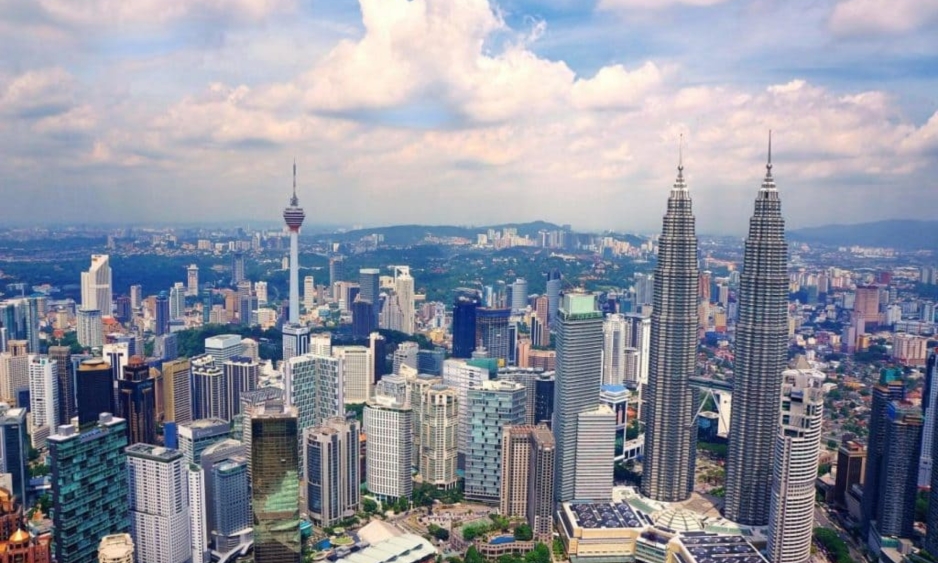

Upper-middle-income economies face a specific set of trade-offs when reducing carbon emissions, which differ from the trade-offs faced in low- and high-income economies. To mobilize domestic funds, middle-income countries are developing carbon markets to attract private sector investment. This study advances a theoretical framework for carbon market development and explores the process in Brazil, Indonesia, and Malaysia. The case of Malaysia is examined in depth due to the slow development of its carbon market compared to its peers. Analysis reveals that Malaysia faces a carbon market dilemma due to high domestic emissions and internal challenges related to energy market regulation and land ownership, which have hindered the emergence of a pro-carbon market coalition. In contrast, Brazil and Indonesia have been more active in the international voluntary carbon market and have implemented key regulations with domestic political support. This study provides insights into the challenges and opportunities of carbon market development in middle-income economies, highlighting the importance of resource endowments and an enabling coalition for successful implementation.