



Malaysia’s national AI agenda is moving from aspiration to execution. The National AI Roadmap and the forthcoming AI Technology Action Plan 2026-2030 signal intent to position Malaysia as a regional AI hub by 2030. The upside is significant; AI is expected to generate US$115 billion in productive capacity for Malaysia, supported by productivity gains across multiple sectors.
But policy ambition alone will not secure this value. Al impact will be captured by ecosystems that can translate strategy into capability, talent pipelines, leadership readiness, governance discipline and adoption at scale. International Financial Centres therefore become economic enablers, not just financial intermediaries. Their relevance is now defined as much by industry formation deployment as by capital flows.
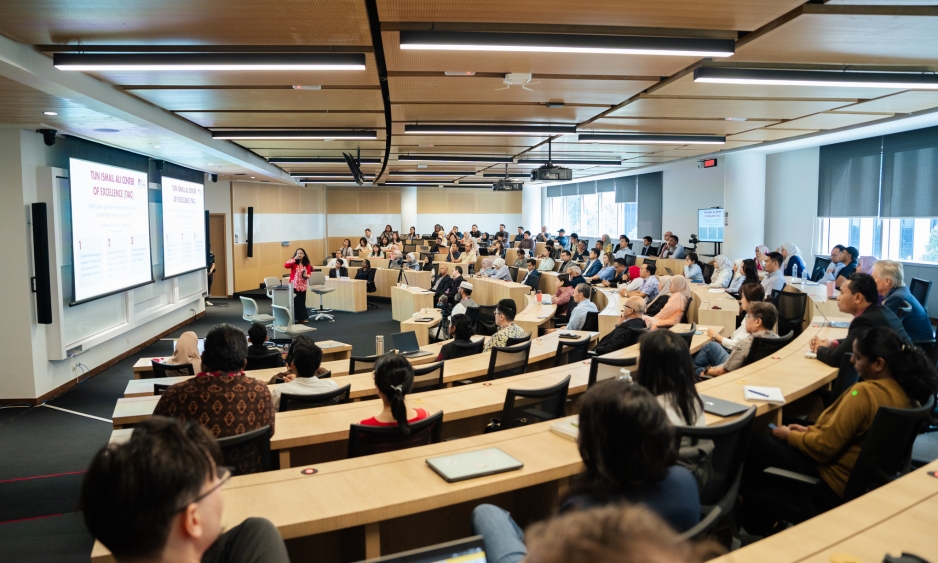
Tun Razak Exchange (TRX) is emerging in this role. TRX’s collaboration with Asia School of Business to host the AI-Powered Leadership Conference brought together global academics, industry leaders and policymakers to examine leadership readiness, workforce shifts, ethics and what intelligent economies demand from executives. The core message was clear: AI competitiveness will be determined by leadership readiness, not only technical depth. As AI shifts from pilots into core business processes, leadership capability, strategic clarity and governance discipline will determine whether AI delivers sustainable returns or introduces systemic risk.
The talent constraint makes this urgent. The World Economic Forum’s Future of Jobs Report 2025 projects 170 million new roles will be created and 92 million displaced by 2030, resulting in a net gain of 78 million jobs, intensifying competition for digital and AI-ready talent. In parallel, 94% of leaders report AI-critical skills shortages today, with around one-third reporting gaps of 40-60% in AI-critical roles, and many still anticipating material gaps by 2028.
“As the financial, supply chains and AI landscapes rapidly shift and evolve, companies will need to ensure their existing employees, senior management and boards remain abreast of new trends and possess the skills, both core and frontier, to navigate these landscapes,” said Professor Joseph Cherian, CEO, President and Dean of Asia School of Business. Through its collaboration with leading global academic institutions like Asia School of Business, TRX connects companies with executive education, degreed and microcredential learning opportunities designed to meet the needs of modern professionals, keeping them competitive, upkilled and productive.
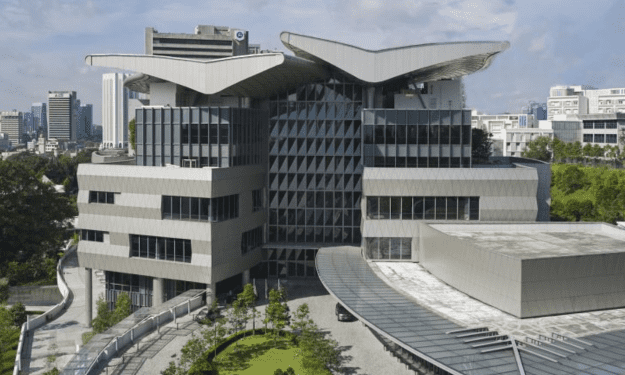
Against this backdrop, Monash University Malaysia’s new Kuala Lumpur campus at TRX reinforces TRX’s role as a talent and capability anchor within Malaysia’s International Financial Centre. While Monash expands AI and data science, education and research, TRX provides the surrounding ecosystem of enterprises and institutions where this talent can transition into enterprise deployment and economic impact.
But talent alone is not sufficient. As AI moves into core business operations, value will be determined by how effectively leaders deploy, govern and scale these capabilities. For C-suite leaders, AI leadership does not mean writing algorithms. It means understanding how AI works, where its limits sit, and how it reshapes decision-making, risk and accountability.
“TRX’s strategic value lies in institutionalising AI readiness by bringing regulators, academia, enterprises and talent institutions into one connected ecosystem,” said Dato’ Sr Azmar Talib. “Anchored by Monash’s RM2.8 billion TRX campus opening in 2032 and reinforced by ASB’s AI leadership platforms, TRX is building a robust AI talent pipeline for finance and technology. By anchoring executive learning, governance forums and leadership pipelines within an International Financial Centre environment, TRX is not just a financial address, it is where AI leadership capability, regulatory confidence and enterprise deployment converge.”
Originally published by The Edge.