Asia School of Business

Global Inquiry, Local Heart

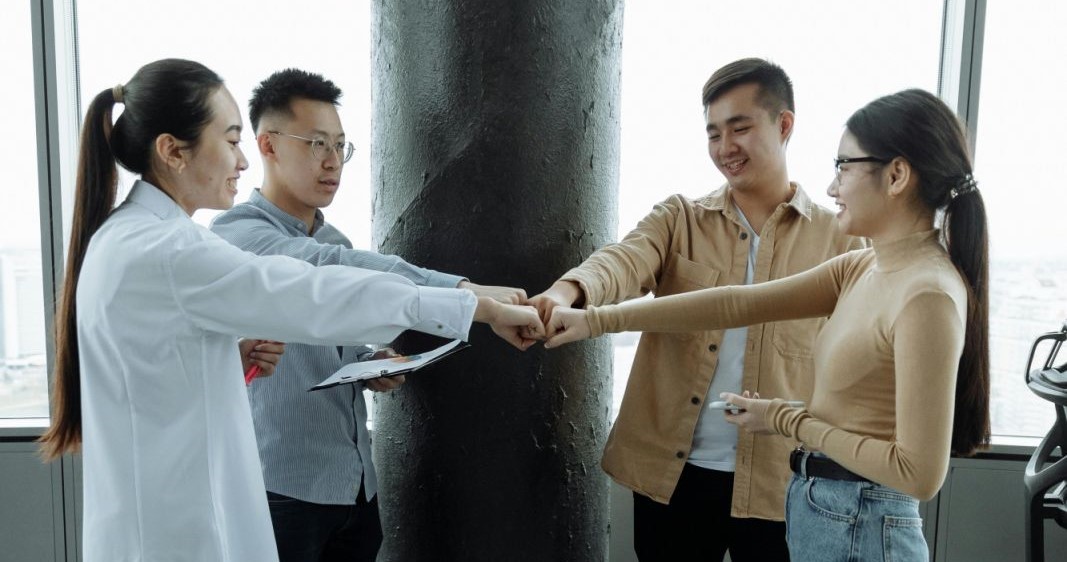
Cover Trust enhances employee engagement, supports active learning, encourages ESG efforts, and fosters a positive attitude toward technological advancements, according to a survey by PwC Malaysia and ASB (Photo: Thirdman from Pexels)

It’s widely known that trust in a work setting acts as the cornerstone of effective leadership, cohesive teamwork, and a productive work environment. To that end, a recent comprehensive study conducted by PwC Malaysia and the ASB has shed light on the intricate dynamics of trust in the workplace, offering valuable insights for both employees and employers.

As part of the Building Trust Awards 2023, PwC Malaysia and ASB ran a survey between August 14 and September 8, 2023, with more than 11,000 respondents from their finalist companies and found that building a high-trust organisation is not merely an ethical imperative but a strategic advantage. Trust enhances employee engagement, supports active learning, encourages environmental sustainability (ESG) efforts, and fosters a positive attitude toward technological advancements. 

By prioritising fairness, transparency, and respect, organisations can create a work environment where trust thrives, ultimately leading to enhanced performance and a more cohesive corporate culture. Employers must recognise the multifaceted nature of trust and strive to address the unique needs and perceptions of their diverse workforce. By doing so, they can leverage trust as a powerful motivational force, driving both individual and organisational success.

Here are more key findings from PwC Malaysia and ASB’s Trust & Leadership Survey Study 2023.

The essence of trust
Trust, as conceptualised in the study, is not a one-size-fits-all notion but varies uniquely across relationships. The foundational aspects of trust include competence, benevolence, and integrity. Competence refers to the organisation’s ability to perform its duties effectively, benevolence indicates the company’s genuine concern for its employees’ welfare, and integrity involves sticking to one’s word and upholding ethical standards.

Employees’ trust in their organisations is pivotal, encompassing their confidence in the company’s competence and benevolence. The study highlights that employees generally trust their employers more than other institutions like NGOs, media, or the government, emphasising the crucial role employers play in shaping workplace trust dynamics.

Trust operates at various levels within an organisation
  1. Trusting the company: Employees’ belief in the organisation’s overall competence and concern for their well-being.
  2. Trusting the supervisor: The extent to which employees feel comfortable allowing their supervisors to influence important work-related issues.
  3. Trusting coworkers: The level of trust employees have in their peers and colleagues.

Interestingly, while 53 per cent of employees trust their supervisors, a significant 29 per cent remain uncomfortable with supervisors having substantial influence over crucial matters. This indicates a gap that needs addressing to enhance supervisory relationships.

Benefits of a high-trust environment

The study reveals several compelling benefits associated with high-trust environments. Employees who trust their company are more likely to engage in active learning, supporting organisational efforts toward ESG, and embracing new technologies such as AI. For instance, 87 per cent of employees who trust their company are active learners, compared to just 13 per cent who do not trust their organisation.

Moreover, trust significantly influences employees’ perception of future rewards. A staggering 93 per cent of employees who trust their company believe their efforts will be rewarded in the future, compared to only seven per cent among those who do not trust their company. This correlation underscores the motivational power of trust in driving employee performance and engagement.

The role of fairness and justice

Fairness and justice play critical roles in trust-building within an organisation. The study identifies four key predictors of employee trust:

  1. Distributive justice: Fairness in resource distribution, such as pay, rewards, and promotions.
  2. Procedural justice: Transparency and clarity in the procedures for performance assessment and reward allocation.
  3. Interpersonal justice: The culture of respect and empathy in interpersonal interactions.
  4. Informational justice: Timeliness and transparency of communication.

For instance, employees’ perception of distributive justice significantly affects their trust levels. An overwhelming 83 per cent of those who perceive distributive injustice distrust their company, compared to just 12 per cent who perceive justice. This highlights the necessity for fair and transparent practices to foster trust.

Demographic variations in trust perceptions
The study also delves into how different demographic groups perceive trust and justice within the workplace. Notably, employees without managerial power report worse diversity climate and justice perceptions compared to their managerial counterparts. Additionally, women experience significantly lower levels of justice and a worse workplace diversity climate than men. These disparities suggest that a uniform approach to trust-building may not be effective and that tailored strategies are required to address diverse employee experiences.
 
Originally published by Tatler Asia.

WOMEN are increasingly entering the freelance economy, particularly through e-commerce and social media platforms.

TalentCorp group COO Siva Kumeren A Narayanan identified a discrepancy in women’s participation in the formal labour force, which has not yet achieved the 60% threshold, even though their enrolment rates in higher education have reached 63%

“More women are engaging in the gig economy, for example through social media and e-commerce platforms. While this is a positive development, it does not always translate into formal labour force participation.

“Gig economy is also changing the way the formal education route is taken up and workforce entries are pathing — something the government is studying further,” he said at the Leadership Summit Series on the Future of People@Work recently.

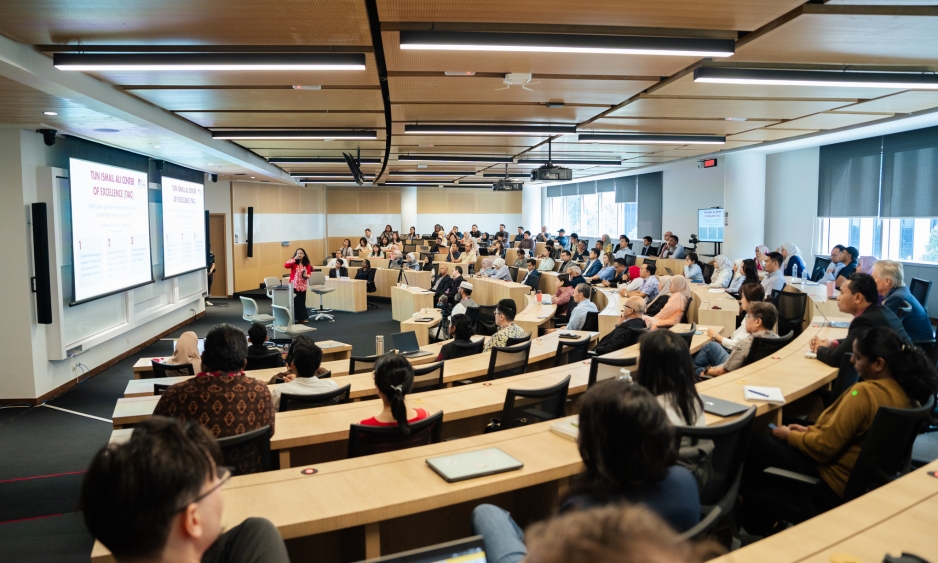
The summit was organised by the Asia School of Business (ASB) which gathered industry leaders, scholars, and human resource (HR) experts to analyse the future of work and the obstacles it presents.

ASB CEO, president and dean Sanjay Sarma discussed the advantages of artificial intelligence (AI) and digital transformation.

He anticipated a future in which technology not only improves industries but also transforms work structures, fostering inclusive and dynamic environments.

“The future of work involves more than technology. It is about reimagining how we connect, collaborate, and grow.

“AI has transformed industries through how it integrates everything including green finance, fintech, ESG sustainability, Internet of things (IoT) and biotech,” he said.

Sanjay added that this evolution is not just a leap in technology but a revolution in how tasks and organisations are structured.

He said the AI and digital transformation critically rest on continuous learning and adaptability, so workforces remain resilient and innovative amid rapid changes.

Meanwhile, FinTech entrepreneur and BFM Radio founder Malek Ali emphasised the importance of adaptability and continuous learning in the interim.

He noted that adaptability, continuous learning, creativity, problem-solving, critical thinking, emotional intelligence, and curiosity are the greatest assets in this era of rapid change.

“To fully harness the power of AI, we must integrate it into our education system,” he said, adding that investing in AI will strengthen workforces and drive innovation and resilience.

Additionally, an associate professor at ASB, Alexander Eng, underscored the significance of understanding employee perceptions and attitudes to ensure the successful implementation of AI strategies in the workplace, thereby incorporating a human perspective into the AI discourse.

Additionally, Citi Malaysia chief Human Resources officer Tooba Modassir emphasised the evolving skill sets required for the future workforce, namely flexibility and adaptability.

“Even when sourcing for talent, we are focused on hiring for skills, competencies and culture fit.

“In a rapidly evolving job market, it is imperative to equip employees with the ability to learn and grow continuously,” he said.

He advised organisations to foster a culture of continuous learning and innovation, and encourage employees to take ownership of their development.

Meanwhile, Bursa Malaysia Group Sustainability director Ahmad Hezri Adnan touched on sustainability.

He said since the Paris Agreement in 2015, there has been a coordinated effort by businesses, governments, and society to adopt sustainable practices.

“We are witnessing a significant shift towards transparency and accountability in environmental reporting, which is crucial for achieving our sustainability goals.

“Companies must integrate these practices into their core operations and their talent force in order to drive such meaningful change,” he said.

Originally published by The Malaysian Reserve.