



Asia School of Business

Global Inquiry, Local Heart

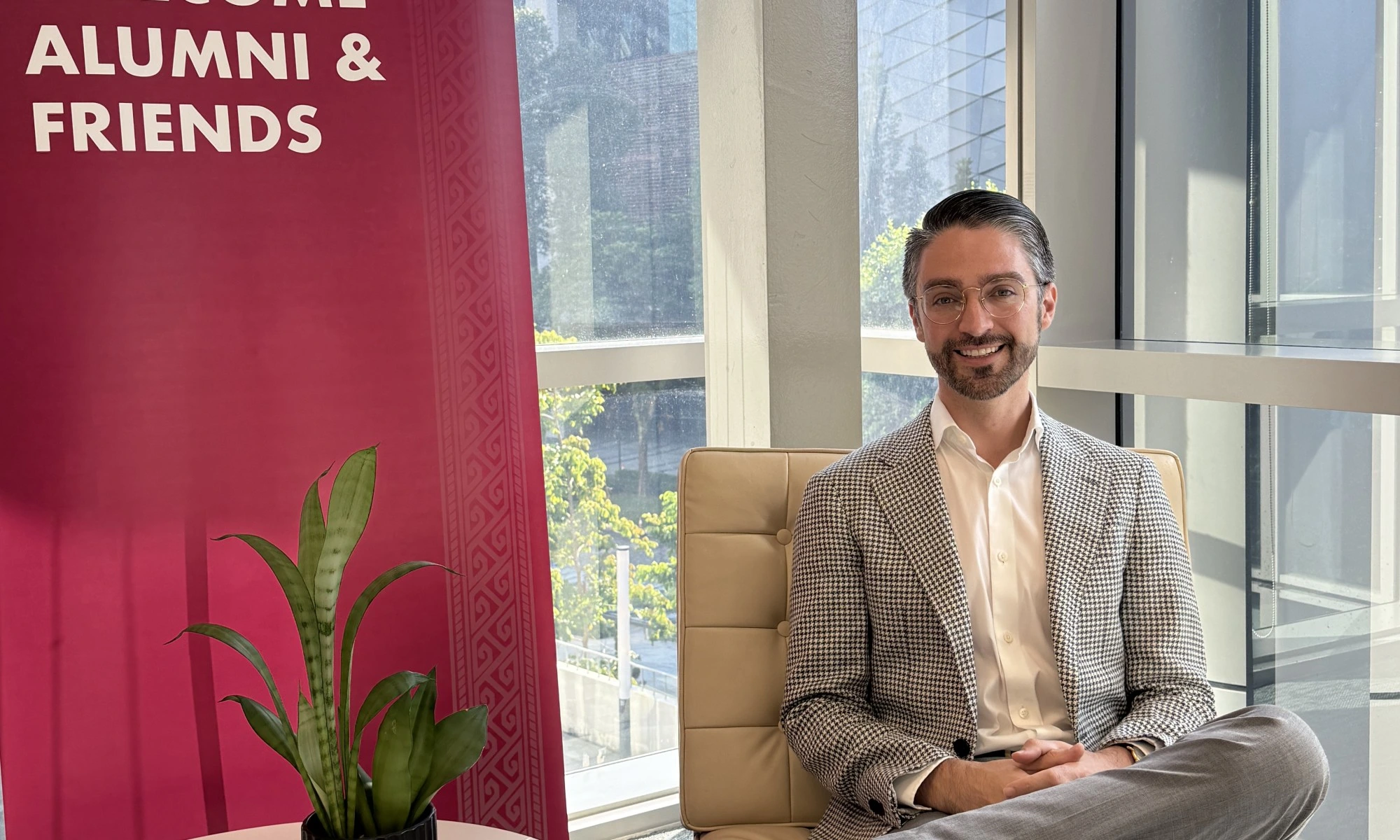
For Andrew Foley, Asia School of Business (ASB) MBA Class of 2018, business education was never only about mastering frameworks or analyzing numbers. It was about learning how organizations make decisions in the real world, how people respond to change, and how leaders can move between ideas, cultures, and practical realities.
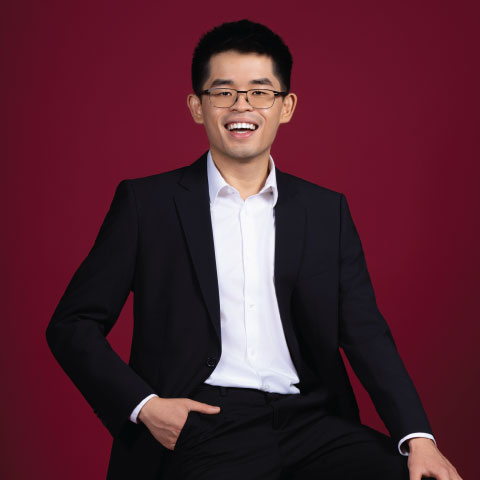
Today, Andrew is an Assistant Professor of Management & Organizations at New York University (NYU) Stern School of Business, where he teaches Strategic Management. His path into academia was shaped in part by his time at the Asia School of Business, where he was part of the inaugural MBA class. Before joining ASB, Andrew was a Venture for America fellow in New Orleans, working with incubators and accelerators to support startups and strengthen local entrepreneurial communities.

After two years of working closely with emerging businesses, Andrew wanted to deepen his understanding of organizations in a more formal academic setting. He was considering either an MBA or a PhD in business when ASB caught his attention.

“What drew me to ASB was its focus on Action Learning,” Andrew shared. “I liked the idea of being able to study organizations and also be working alongside them during my studies.”

That combination of classroom learning and direct engagement with companies became one of the defining parts of his MBA experience. Through Action Learning, Andrew was not only studying how executives and team leaders solve complex problems. He was seeing those decisions unfold in real business environments, with real stakeholders, constraints, and competing interests.

One of the classes that left the strongest impression on Andrew was strategy, taught by MIT Professor Pierre Azoulay during his time as a visiting professor at ASB. For Andrew, it was the first academic experience that pushed him to think deeply about the various factors determining whether some organizations survive and thrive even as their industries evolve.

Those insights continue to shape how Andrew studies organizations and approaches his work as an academic. Today, he teaches strategy at NYU Stern, a role that reflects the lasting impact the course had on both his intellectual development and his journey into academia.

Beyond the classroom, Andrew’s Action Learning experience in Thailand offered another powerful lesson. He worked on a project with a major big-box retailer that was trying to understand how to encourage people to spend more time in large retail spaces instead of community-based markets such as wet markets and local fisheries.

At first glance, the business case seemed straightforward. Larger retail spaces offered more control, consistency, and regulation. But as Andrew and his team spent time communicating with people, they began to understand that customer behavior was not driven by convenience or price alone.

People’s shopping habits were tied to daily rituals, cultural practices, and relationships with their communities. “I spent most of my time not doing fancy data analysis, we were just talking to people.”, he reflected.

For Andrew, this became one of ASB’s most valuable lessons: business decisions do not happen in a vacuum. They happen in organizations filled with people, perspectives, and competing priorities. Learning how to make decisions is important, but learning how to implement them in a way that people can understand, accept, and support is just as critical.

“As you go through that process, you develop a really good intuition for not only how to make good decisions, but how to implement them in a way that will create value for everyone involved,” he said.

That intuition has stayed with him. Looking back, Andrew says ASB helped him become more comfortable identifying not just the best idea, but the idea that could realistically work within an organization.

When asked, “In one sentence, how would you describe ASB?” Andrew answered that ASB teaches you to “think across worlds.” As an MBA student, he was in a new country, surrounded by a global student body, and partnering with companies across Southeast Asia. That experience required him to understand perspectives that were unfamiliar, and sometimes perspectives he did not immediately agree with.

For Andrew, that skill remains deeply valuable. It is the ability to listen, interpret, and solve problems through someone else’s lens, especially when the problem is complex, expensive, and tied to different cultures or organizational realities. It’s also a key strategic concern: diversification decisions, competitive interactions, and many others depend on the ability to take the cultural and behavioral perspectives of stakeholders to create value for organizations.

He also sees Malaysia, and Southeast Asia more broadly, as a powerful place to study business today. The region, he noted, is in a dynamic phase of growth and change. It is globally integrated, but also renegotiating its role in relation to the rest of the world. There is a lot of upskilling, movement out of traditional supply chain roles, and growth into headquarters-type functions. With industries moving up the value chain, companies expanding their mandates, and new forms of digital payment reshaping how people do business, the region offers MBA students a front-row seat to transformation.

For Andrew, Malaysia remains memorable not only because of its business environment, but also because of its people and culture. He still remembers seeing the Petronas Twin Towers for the first time, describing the moment as “magical.” He also spoke about Malaysia’s warm and collectivistic culture, the ease of finding community, and, of course, the food, including nasi lemak, roti canai, and rendang.

When asked what advice he would give to current and future ASB students, Andrew offered a simple but thoughtful framework: know which “hat” you are wearing.

In the classroom, he said, you should wear your student hat. Be diligent, because much of what you learn will become relevant in the real world. During Action Learning, however, you need to put on your company stakeholder hat. While much of what you learn in the classroom will be useful, you should avoid trying to apply every lesson immediately. Instead, listen carefully and stay open to the real needs of the company, understand what stakeholders want, and pay attention to what they are ready to allow.

For Andrew, the ability to move between those two roles is what makes the Asia School of Business experience so powerful. “If you can juggle between those two and go back with a certain degree of dexterity, you’re going to be fine,” he said. “And this is going to be one of the best professional experiences you’ve ever had.”

From Massachusetts Back to Malaysia

For Wei Han Lim, ASB Class of 2025, the MBA wasn’t a carefully plotted pivot. It was, in his own words, “a last-minute scramble.” Born and raised in Malaysia, Wei Han had spent 12 years in Massachusetts, completing his Bachelor’s at Tufts and his Master’s at MIT, both in chemical engineering, before working in process engineering and life sciences.
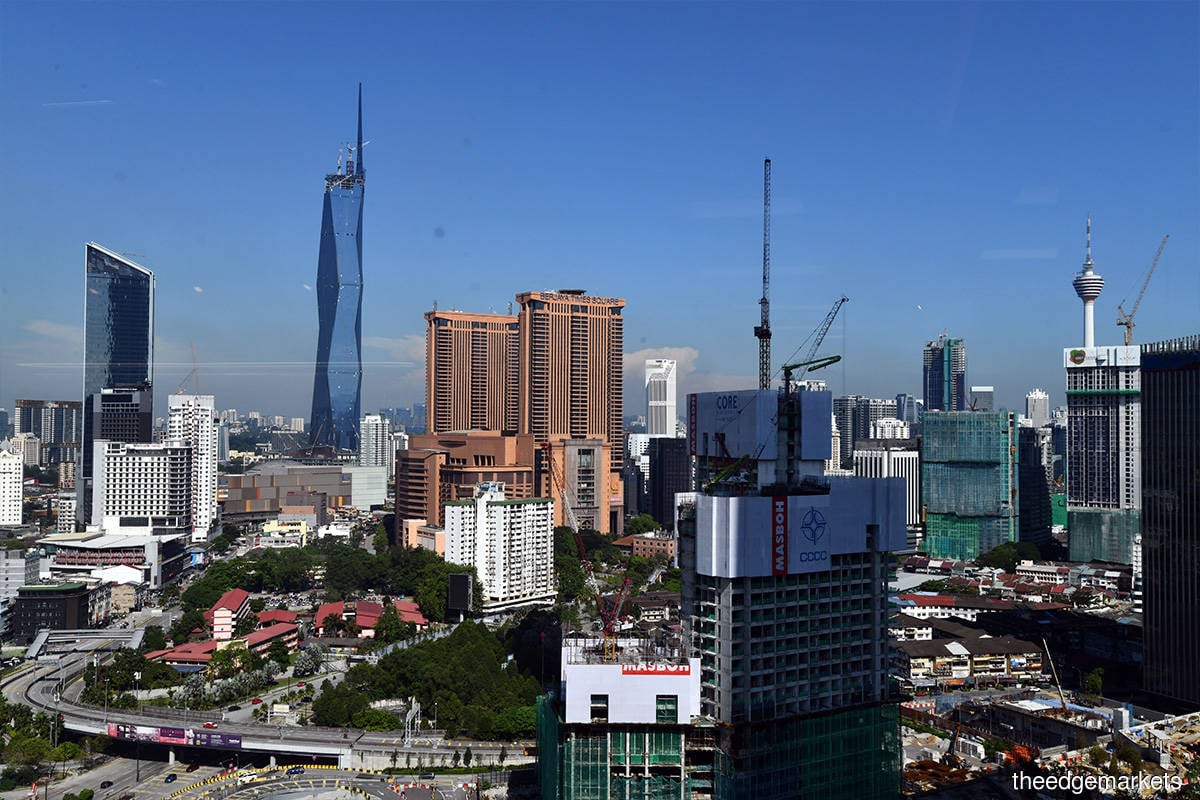
When visa hurdles disrupted his plans in the US, he stumbled upon Asia School of Business through none other than MIT’s own Assistant Dean of Admissions, who suggested the Malaysia-based sister school.

“At first, ASB was supposed to be a bridge back to MIT through the MSMS,” Wei Han admits. “But as I settled in, I realized being here made personal and professional sense. Looking back, I’m glad it worked out this way.”

Confidence, Community, and Epiphanies

When asked to sum up his Asia School of Business journey in three words, Wei Han doesn’t hesitate: community, vulnerability, epiphany.

“Coming in, my ego had taken a battering,” he reflects. “I lacked confidence. But ASB became a safe space to explore, try new things, and be supported by classmates and faculty alike. This is a place where everybody knows each other – it seemed like a waste to not lean into that.” He credits the Career Development Office and alumni network with helping him shape his personal brand in tackling sustainability challenges, while classmates provided both encouragement and “regular doses of friendly insults.”

Negotiation classes with Professor Alexander Eng also left a lasting mark: “Rejection therapy taught me the worst that can happen is hearing ‘no.’ That gave me the courage to ask for what I want and fight for the value that I deserve.”

Learning for Impact

Wei Han’s passion for sustainability found fertile ground at Asia School of Business. Taking electives with Professor Renato Lima de Oliveira and Dr. Pieter Stek deepened his understanding of the intersection between technology, business strategy, and policy in driving sustainable energy transitions.

His Capstone project at Gentari, where he worked on HR challenges with peers, was both unexpected and transformative. “It was out of my comfort zone but incredibly rewarding,” he recalls. “We fought each other all the time, built on a deep sense of trust and respect for each other, working towards a shared goal. We felt truly validated when we learned that our work continues to be used by our host company, nearly a year later. It was one of the best team experiences of my life.”

The MIT Connection and Beyond

The MIT collaboration was more than just an academic tie. It gave Wei Han a sense of continuity with his formative years in Cambridge. “Heading back for our MIT Immersion gave me closure in more ways than one,” he says. “My classmates finally understood where I came from, and I could reconcile my identity as a quasi-third culture kid.”

He has since leaned into both hats, serving as Secretary of the MIT Club of Malaysia while leading strategic finance research projects at ASB.

Lessons in Vulnerability and Growth

Perhaps the most profound experiences came not in classrooms but in Mindset Lab. “We learned to embrace vulnerability as we undertook personal growth mindset projects over the year,” Wei Han says. “We shared our final projects during a session in a week in which we were all focused on other projects, so it easily could have been something that we could have checked out of. But everyone came prepared to share how they had grown, and everyone was prepared to listen and support each other.”

Lasting Bonds and Chaotic Fun

Wei Han highlights the friendships and collaborations that extend beyond the MBA. Besides dinners with friends across KL and joining faculty and alums in board game nights, he recalls how he got roped into a band performance with President Joseph Cherian at ASB’s 10 Year Anniversary celebration – the day before his own graduation – with no rehearsal whatsoever. “Chaotic unhinged fun,” he laughs, citing Professor Melati Nungsari’s description of the day, remembering how he ended up singing backing vocals before an audience that included Nobel Laureate Robert Merton among many other distinguished VIPs.

A Gem for Future Students

Asked what advice he’d pass on, Wei Han is quick to reassure. “Don’t worry. You’re not the only one with impostor syndrome. Everyone’s dealing with their own version of it. Embrace that vulnerability, collaborate, and you’ll thrive.”

For someone who once thought Asia School of Business would just be a stepping stone, Wei Han has instead found an unexpected launchpad. One that combines rigorous learning, a vibrant community, and a renewed sense of purpose.

So what began as a detour became direction. A last-minute decision that gave him more than a degree. It also reintroduced him to himself.

The decision to head East is about more than your destination – it’s about a new way of seeing things. And for many young professionals, the dynamic business environment of Asia is an irresistible opportunity to gain boots-on-the-ground experience in some of the world’s fastest-growing markets.

The region is home to four of the five most populated countries on the planet, and the war for talent that McKinsey first coined in 1997 now has the added dimension of training the next generation of business leaders for digital transformation and AI-driven innovation.

Twenty-five years later, Asia has a growing number of world-class business schools to meet that challenge. As former Graduate Management Admission Council CEO Sangeet Chowfla points out, in 2000, MBA programs domiciled in the U.S. occupied 38 of the top 50 positions in the Financial Times global MBA ranking. Schools in Asia had none.

“This year the U.S. had 29 positions while Asia had eight,” he notes. “Europe makes up the rest. It’s not that U.S. schools have gotten worse, it’s just that others have caught up, and students have more choices.” The CentreCourt MBA Festival with Poets&Quants in June 2023 will include a special focus on the best business schools in Asia. Below is a review of seven of the hottest MBA programs in the region.

Asia School of Business

Tuition fees: 150,000 Malaysian Ringgits ($33.5K)
Class size: 40 students
Program length: 12 months

Bringing the M7 to Malaysia, Asia School of Business (ASB) offers an MBA program that stands among the most innovative and affordable among the region’s leading business schools. Based in Kuala Lumpur, a city that is one of the world’s most diverse melting pots, the school was founded in collaboration with MIT Sloan and Bank Negara Malaysia, the country’s central bank.

Students benefit from a teaching approach that Poets&Quants describes as “experiential learning on steroids”, making for a truly unusual yet insightful time. MIT Sloan’s world-renowned faculty teach 50% of the one-year MBA curriculum in KL alongside ASB faculty, and students spend a 3-week immersion at MIT Sloan in Cambridge, MA.

They can extend their learning opportunities by applying to study at MIT in the Visiting Fellows Program or apply to enroll in the nine-month STEM-designated MS in Management Studies from MIT Sloan. Academic rigor is combined with Action Learning experiences throughout Asia, including industry treks and business practicums as well as group projects and associate programs at host organizations.

“Through my Action Learning projects in Malaysia, Thailand, Germany, and Vietnam, I learned that there are different ways to run a business in companies that were sometimes American and sometimes 100 percent Thai or Vietnamese, we developed a common language to understand the problem and deliver results,” says Klara Markus, MBA Class of 2019 and now a Senior Manager at Amazon.

Of course, when applying for a full-time program that lasts for an entire year, students are making a lifestyle commitment as well as an educational one. With sun-kissed beaches, a plethora of Asian culture and cuisine, and one of the world’s oldest rainforests practically on your doorstep, there are plenty of opportunities to expand your horizons outside of the classroom too.

And at less than $35,000 for an intensive 12-month MBA program, you’re getting an M7 experience with outstanding ROI. Other schools mentioned in the article are China Europe International Business School (CEIBS), INSEAD, ISB – Indian School of Business, the National University of Singapore Business School, Shanghai University of Finance and Economics and the University of Hong Kong Business School.

The first auction on the Bursa Carbon Exchange (BCX), Malaysia’s new voluntary carbon market, took place on March 16 with around RM7.7 million in carbon credits sold. Although the auction was described in the official press release as evidence of “strong interest and [a] healthy price signal by the domestic corporate sector”, it must be noted that all credits were sold at the minimum reserve price set by Bursa Malaysia, and that Bursa itself appears to have been one of the 15 buyers.
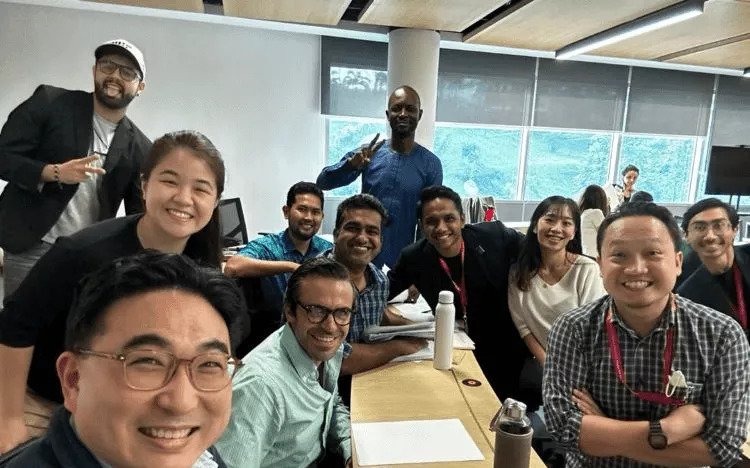
Viewed from this perspective, the claim by Bursa Malaysia chief executive officer Datuk Muhamad Umar Swift that “we now have a proven market mechanism which provides price discovery” seems somewhat questionable. The BCX has been launched at a time where there is broad agreement that Malaysia needs some kind of carbon pricing scheme to realise its international climate change commitments.

However, no carbon tax or other clear driver of a Malaysian carbon market has emerged as yet. Although the government has hinted at the introduction of a carbon tax for several years, it continues to subsidise carbon emissions through its petrol subsidies. Even without a carbon tax, it can be argued that the anticipation of a tax, a net-zero commitment by some large firms such as Petronas, and pressure from foreign investors and customers, is creating domestic demand for carbon credits.

If the first BCX auction is a guide, then domestic demand appears weak. Similarly, there is no domestic supply of carbon credits on BCX yet. The carbon credits that were auctioned on March 16 are from greenhouse gas reduction projects in Cambodia and China. China itself has a voluntary carbon market, but it was suspended in 2017 due to a lack of standards and transactions.

While Prime Minister Datuk Seri Anwar Ibrahim’s announcement of financial support for green technology startups and a RM10 million fund to generate carbon credits may increase the supply of Malaysian carbon credits in future, there is actually already a small but lively Malaysian carbon market ecosystem. This ecosystem consists of carbon credit project developers, local certifiers and sellers, including projects supported by Malaysian state governments.

None of these projects made it to the first auction on the BCX. Why is that?

The reason is that carbon reduction and offset projects are often transacted through direct negotiations between buyers and sellers. This is because carbon reduction targets tend to be long-term, and the development of carbon credits through nature-based solutions or emission reductions, likewise, take time. Such transactions do not appear on a spot carbon exchange like the BCX.

A second concern is fungibility: carbon credits are not all created equal. Aside from concerns over their certification, research done by MBA students from the Asia School of Business for Malaysian carbon and environmental, social and governance (ESG) firm Kitaran Tabah Sdn Bhd shows that the prices of carbon credits from nature-based solutions vary depending on the inclusion of other sustainable development goals (SDGs) in a project.

That is to say, nature-based carbon capture projects that support the local community through education or poverty reduction, or that conserve biodiversity (for example), command higher prices. Such value-added has led to the growing popularity of ‘blue carbon’, generated from the protection of coastal ecosystems in Malaysia.

This means that a spot carbon market like the BCX will function primarily as a market of last resort: with sellers providing carbon credits with the lowest social and biodiversity value-added, and buyers who have failed to plan adequately for their carbon footprint reductions. While there may be a place for such a platform within the broader Malaysian carbon market ecosystem, this also signals its limitations. At best, the BCX will represent only a small slice of total carbon credit trading in Malaysia.

While Bursa Malaysia’s attempts to spin a disappointing first auction is understandable, it should not lead to complacency about the progress Malaysia is making in terms of its carbon reduction commitments. The auction’s lack of substance and real price discovery shows that a great deal of work still needs to be done, especially by the government. There is an urgent need for a carbon tax and other regulatory infrastructure.

The government should step up and make the hard policy choices necessary to fulfil Malaysia’s climate change commitments, starting with the termination of extremely expensive and harmful subsidies for carbon fuels. Dr Pieter E Stek is a postdoctoral scholar at the Center for Technology, Strategy and Sustainability (CTSS) at the Asia School of Business in Kuala Lumpur.

A global career in business is well-suited to those who want to work in diverse teams, gain opportunities for exposure to international markets, and, most importantly, are hungry for a challenge. With so many business school destinations out there, it’s tricky to know where in the world will set you up best for the career of your dreams.

Many students look to the fast-moving region of Southeast Asia (SEA) to leverage the career opportunities available in business hubs such as Singapore, Kuala Lumpur, Bangkok, and Ho Chi Minh City. As Malaysia lies at the heart of SEA, the country offers an attractive starting point to those looking to make the most out of their business school experience.

What a Global MBA in Malaysia looks like

If you’re looking to get your foot in the door and gain insights into how different companies do business across Asia, joining an MBA program with strong links to a variety of firms is a smart idea. At the Asia School of Business (ASB), based in Kuala Lumpur, MBA students spend a good amount of their time on experiential learning with ASB’s corporate partners in cities such as Bangkok, Jakarta, Manila, or Ho Chi Minh City, Hong Kong, Dubai, and Abu Dhabi.

MBA students at ASB have the opportunity to work on projects that align with their post-MBA career goals, including those in emerging industries such as fintech and blockchain, as well as traditional industries such as FMCG or manufacturing, and across various business functions including operations or marketing. “We see that employers have a strong preference for MBA talent who have pre-existing exposure to local markets,” says Dong-Wook (DW) Lee, senior director of the Career Development Office (CDO) at ASB.

“The ASB MBA provides students with extensive exposure to projects and treks around the region, which enables them the opportunity to build and project their confidence in respective markets of interest,” he says. Through these experiential learning opportunities, MBA students at ASB get to strengthen their soft skills in areas such as communication, empathy, and collaboration, while also sharpening their technical expertise in areas such as data analytics and data visualization.

“The Action Learning experience, as well as relevant career development education of ASB, is specifically designed to address both areas by coaching students to reflect on these areas and practice self-awareness, which helps to enhance their teamwork and leadership skills,” says DW. The CDO curates a series of career and thought leadership talks with industry leaders and hiring managers and offers advanced workshops on how to network and build relationships in a strategic manner.

As evidence of the program’s success, the placement results from the majority of ASB’s graduates continue to show an upward trajectory, with the most recent cohort from the MBA class of 2022 achieving a 90% placement outcome within three months of graduation.

Job opportunities for MBAs in Southeast Asia and beyond

Before deciding to apply for an MBA program in a specific location, you’ll want to ensure you’re placing yourself within a growing market with unique opportunities to build your post-MBA career. “With Asia being one of the fastest growing and dynamic regions in the world, the jobs you may encounter after graduation may not have existed before, requiring you to co-create a job with your prospective employer,” says DW.

“For the more established jobs, Asia could provide a wider spectrum of MBA job choices. Along with Web3, metaverse, crypto, fintech, and cyber security proficiency in the tech space, Asian markets continue to show aggressive search for top MBA talent in the professional services domain such as management consulting and financial services.” Many international businesses, including well-known tech giants, manufacturing companies, and consulting firms have regional headquarters in Singapore or Kuala Lumpur.

In Asia, there is also a growing talent demand for those with expertise in sales, business development, manufacturing, and supply chain management, adds DW. For students who seek post-MBA careers outside of Asia, the ASB-MIT partnership offers an opportunity for students to get exposure and potential access to the US jobs market.

ASB students get to attend classes at MIT for up to three weeks during their MBA program. They also gain eligibility to apply for the MIT Sloan Master of Science in Management Studies (MSMS) program, which is only offered to graduates of MIT Sloan partner schools, such as ASB.

Flying into a global MBA career at AirAsia

Yizhen Fung joined the ASB MBA after wanting to make a move from the public to the private sector. She was excited by the idea of transitioning to a role that would allow her to experience innovation and disruption. “As I was open to exploring various industries and various roles, the AL component was perfect for me, as I was able to validate my passions and strengths over the course of the program,” she says.

One AL project involved her designing a social commerce strategy for one of Thailand’s largest banks while another entailed designing a go-to-market plan for a Thai beer company, with the aim of entering the competitive Vietnamese beer market. Using her experience of innovation, Yizhen used her business school knowledge and learnings from her career coaching sessions at ASB to leap into a global career with airasia Super App in Malaysia as the senior executive assistant to the CEO.

“The CEO needed people who were comfortable with constant change, pressure and had the hunger to grow a fledgling business division.” She’s since moved into the role of head of strategic partnerships.

Discovering the international relevance of an MBA in Malaysia

Rafael de Ory began his MBA journey at ASB as he wanted to benefit from the rich diversity and culture that Malaysia has to offer while accelerating his career in tech. The ASB MBA program typically attracts up to 30 different nationalities, so it brings people from across the world to work on exciting projects. Rafael’s AL project took him to Seoul to work with KTSAT, the leader in satellite communications in Korea, mapping out a strategy to create new revenue streams.

“This was truly a global company, providing satellite communication services across the globe, and it required us to have a global mindset when building out the strategy,” he says. After completing the Samsung MBA summer internship program, Rafael was invited to apply for the Leadership Development rotational program. While the rest of the applicants applied from US business schools, Rafael quickly stood out from the crowd as he was the only one to apply from a business school in Asia.

“I weaved in my experiences from my various AL projects across Southeast Asia and North Asia, which really impressed the interviewees,” he says. Not to mention that he leveraged the guidance of the CDO when preparing the assigned presentation for the Samsung interview, which was on the topic of edtech. Rafael was able to blend his Eastern and Western business perspective on the topic to provide a truly global picture to the interview team at Samsung, proving the international portability of a global MBA in Malaysia.

Read the full article here.
This article was originally published on BusinessBecause, a network helping MBA students make connections before, during and after their MBA.

Speak to any business school student with aspirations of launching a career in consulting and they’ll usually list a Big Three consulting firm such as Bain & Company as one of their dream companies. At a Big Three consulting firm, it’s more than just about high salaries and high stakes. You’ll find yourself working in an ever-changing role that varies from one day to the next.

This access to an exciting career path is why many people choose to go to business school. One alumnus from Asia School of Business (ASB) used his MBA for Working Professionals (MBA-WP) (now Executive MBA) to fast-track his business career ventures, switching from a career in finance to an MBA consulting job at Bain.

Deciding to make a career switch

Farquar Haqqani Fadhlullah Suhaimi (Haqqa), originally from Malaysia, had a lot of experience in business, having worked in the finance department in a state-owned enterprise in Malaysia for almost five years. Despite this success, he felt that he wanted his career to go in a new direction. “I’d always thought that working in finance would allow me to move into different industries and roles within strategy and operations, but this wasn’t the case for me,” he says.

He’d been pondering the idea of an MBA for a while but things like his busy career and parenting responsibilities meant that a full-time business degree wasn’t possible. When he found out about the MBA-WP program offered by ASB in Malaysia, he finally realized there was a way of maintaining his work-life balance while expanding his skill set. “The MBA felt like the answer to help me broaden my business experience and confront new business challenges in my role,” he says.

Just three months into the MBA-WP, Haqqa landed an offer to become a senior strategy manager at a multinational retailer in Malaysia, pivoting from finance to strategy. This career move in the midst of his MBA in Asia meant that he could continue to apply his learnings to a different type of role, widening his business scope even further.

Choosing an MBA program tailored to working professionals

Haqqa carried on with his full-time job while taking MBA classes in the evening and weekend. “The classes were designed to help you reflect during class and go back to your daily job to test out skills and learnings,” Haqqa says. The ASB MBA is delivered in partnership with MIT Sloan and offers an immersive Action Learning curriculum that allows students to gain exposure into new business industries.

This was another reason why Haqqa was keen to pursue his studies with the Southeast Asia based business school. For Haqqa, the ASB Action Learning initiatives involved working on new projects within his organization. He worked across areas such as operations and finance, social entrepreneurship, the future of work, and lastly, strategy project delivery.

“I learned very different skill sets and techniques that I could implement in my career,” he says. At the time, Haqqa’s career in the retail industry served as a great base for him to apply his learnings from the MBA-WP and enhance his understanding of business strategy, leadership, and management.

Aside from this, he was also able to join social impact projects such as the one-week practicum at an palm oil estate where he helped farmers to become more sustainable and advised on sustainability marketing services. “Before the MBA, I didn’t think of things from an operations lens before, but I sharpened this during the practicum and action learning projects.” Haqqa was also able to enhance his communication skills, growing his ability to interact with people from different backgrounds and audiences.

Landing an MBA consulting career at Bain

Armed with the strategic experience that Haqqa gained from working at the multinational retailor, he felt confident and ready to start a new business journey. Having sharpened his managerial skills in his role and from the MBA-WP, the role of management consulting became ever more attractive to him. “After my MBA, I started to reflect on what was next for me,” he says, “I’d already got a flavour for what it’s like to work in consulting from my career in the retail sector.”

ASB holds regular recruiter events, which provide access to top consulting companies such as Bain. Haqqa made sure to leverage the networking opportunities these MBA events offered. Before his MBA, Haqqa had applied for a role at Bain but unfortunately wasn’t successful. Armed with his MBA skills, strategic experience in the retail industry, and new-found business confidence, however, he entered the post-MBA interview with Bain from a different perspective.

“The ASB MBA really helped me to bring out my most authentic self,” he says. He received an offer from Bain to start as a consultant at the Big Three firm in Malaysia, where he works a varied role that sees him driving data analytics and insights, consulting on operations and strategy, and developing an ESG roadmap.

“Although I’m only a few months into the role, I can see how much the MBA has improved my presentation skills and how the blend of soft and hard skills, learned through the program, helps to drive my decision-making,” he says.

Read the full article here
This article was originally published on BusinessBecause, a network helping MBA students make connections before, during, and after their MBA.

If you’ve set your sights on launching a consulting career at Big Three consultancy firm McKinsey, you’ll need to do everything within your power to stand out. Joining business school is one way that students can fast-track their entry into top consulting companies as it’s an opportunity to learn valuable skills that are transferrable to a fast-paced consulting environment. Between March 2020 to January 2021, McKinsey hired more than 1,500 MBA grads as full-time joiners.

Here are three ways business school can help you navigate the McKinsey career path and land a role as a top consultant at the Big Three.

1. You’ll practice real-world skills that can help you on your McKinsey career path

If you’re interested in a career in consulting, you’ll already know that many top firms will be looking for more than just ‘book smart’ MBA grads. Employers will want to see evidence of skills you’ve put into practice. Nur Asmah Sepo (Asmah) worked in public sector and transport retail in Malaysia for six years before deciding to join the part-time MBA for Working Professionals (MBA-WP) program at Asia School of Business (ASB).

“I started realizing how much I actually enjoyed solving business problems after doing a year of general rotation in the company I used to work for,” says Asmah, who is now an associate at McKinsey & Company in Malaysia. ASB in Kuala Lumpur stood out to Asmah as its MBA is delivered in partnership with the MIT Sloan School of Management and places a large emphasis on practical learning.

The ASB MBA is known for its ‘Action Learning’ curriculum—an immersion program where students take part in five projects with ASB’s global hosts in areas such as improving business sustainability or upgrading operations. “This experience helped in structuring my thinking and figuring out what questions to ask, which is highly applicable in consulting,” she says.

When working on these problems in Action Learning, students have a ‘client’ that they work with in the form of the host company. This is a chance to put MBA learnings from ASB courses such as ‘Advanced Strategy’ and ‘Communications’ into practice. “Action Learning was similar to how a consulting engagement is structured,” Asmah adds.

2. You’ll learn to work alongside different cultures

Learning to work alongside people from different nationalities and career backgrounds will be vital to a successful career at a Big Three consulting firm. Vy Nguyen, a McKinsey consultant in her native Vietnam, previously worked at a top oilfield services company before moving abroad for business school. She says she was eager to join the ASB MBA in Kuala Lumpur to bridge the gap between her technical and managerial skills. 

One of her favorite aspects of the ASB MBA consulting projects, which took her to a leading ecommerce platform in Southeast Asia and a global pharmaceutical company, was getting to work alongside people from different cultures. “This gave me the chance to practice ‘Smart’ [soft] skills, particularly active listening, emotional maturity, and cognitive readiness,” Vy says.

McKinsey has offices worldwide, including Europe, the US, and much of Asia, so it’s important that MBAs learn how to navigate different cultures to launch a successful McKinsey career. “The world is changing rapidly and countries like Vietnam are growing at an incredible rate—these MBA skills are not only essential for consultants like myself, but also for everyone in the workforce,” Vy adds.

3. You can access advice to help navigate the McKinsey career path

For MBAs who have come from a non-consulting background, knowing how to make the career leap into consulting can be tricky. Both Asmah and Vy accessed the career support on offer through ASB’s Career Development Office (CDO) when deciding on their next steps. Vy was even introduced to the McKinsey Next Generation Women Leaders program, which champions gender diversity by supporting aspiring female consultants, through the ASB CDO.

“I received frequent coaching and generous feedback from the advisors at ASB while interviewing for the McKinsey program,” Vy says. As part-time MBA grad Asmah was juggling her studies, job, and the McKinsey interview process, she accessed resources such as case studies and career coaching through the career advisors at ASB. She was even paired with other applicants in the MBA program when interviewing for the McKinsey Women Leaders program.

“This is very important because applicants need to find the right case partners in order for the sessions to be effective,” she says. In her McKinsey consulting career, Vy is a member of the client services team and is involved in building strategies for clients and designing implementation plans for sustainable impact projects.

Meanwhile, Asmah’s role as an associate means that she works in a small team consultants on a broad range of client engagement duties. Both Vy and Asmah believe that their MBAs were instrumental to boosting their confidence, filling valuable knowledge gaps, and connecting them with like-minded peers. All these experiences have helped them navigate their McKinsey career path and thrive in their MBA jobs.

Read the full article here.
This article was originally published on BusinessBecause, a network helping MBA students make connections before, during and after their MBA.

If you’re looking for a future-focused career where no day will be the same, venturing into the world of Big Tech might just be for you. Big Tech giant Amazon is a major recruiter of MBA grads, offering Amazon MBA internships and Amazon graduate schemes to talented individuals. Sharan JM is one business school grad who has used his MBA in Asia to launch a tech career at Amazon as a product manager—find out how he did it.
Joining the MBA after founding a startup

Before his MBA, Sharan worked as a system engineer at a leading IT consulting firm in his home country, India. He also co-founded a real-time school bus location tracking startup in Bangalore, which helped to boost his innovative mindset and entrepreneurial skills. “We realized we had made some mistakes while executing [the startup],” he says, “this was when I knew I was lacking some broad business skills in operations, finance, and marketing.”

To bridge these gaps and advance his career, Sharan decided that the next step was to join an MBA program where he could blend his technical knowledge with a generalist understanding of management. “When I worked on the startup, I found that I am passionate about both the management side as well as the technical aspects of running businesses and so I hoped that the MBA would help me to merge these knowledge areas.”

He heard about the Asia School of Business (ASB) MBA from Subramonia Sarma, then the director of Action Learning at ASB, whom he met in Bangalore, and after researching the program, he was even more excited to join the Kuala Lumpur-based MBA. “I was really drawn to the Action Learning curriculum and the school’s collaboration with MIT Sloan,” he says.

The 20-month ASB MBA was born out of a partnership between the Bank Negara Malaysia and MIT Sloan School of Management. Both ASB and visiting MIT faculty teach many of the MBA modules.

Gaining exposure into new business sectors during the MBA

To go far in the ever-changing future business world, it’s crucial to have a broad understanding of different business areas and ways of working. One of the main features of the ASB MBA is its ‘Action Learning’ curriculum, where students take part in five consulting-based projects with ASB’s global partners.

Sharan worked on a variety of projects including improving the marketing strategy for Johnson & Johnson in Malaysia, a supply chain optimization project for Delmonte in the Philippines, and working with the Asian Development Bank to improve the coffee ecosystem. “These experiences helped me take a step back and articulate problems clearly—I learned that it’s better to spend time defining the problem before deciding on the right solution.”

He also adds that the MBA consulting projects were a chance to mix with an array of different people. “Kuala Lumpur is a melting pot of cultures. Working on multiple projects in different countries helped me communicate with different people and explain concepts to a non-technical audience,” he says. He also strengthened his technical skills during the ASB projects in areas such as data modelling, analytics, and optimization.

ASB offers an immersion program where MBAs can spend time studying at MIT Sloan’s campus in Cambridge, Massachusetts, in the US. For those who want to advance their business knowledge, students can opt to study the MIT Master of Science in Management Studies (MSMS) program that’s available to MIT partner schools. This is exactly what Sharan did after finishing at ASB—adding both an MBA and an MIT master’s in management to his belt.

Networking to land an MBA career at Amazon

There’s no denying the value of networking—especially if you see yourself at a big tech company such as Amazon. Following his MBA, Sharan spent three years building a career in data science and product management at AirAsia, before finishing to study his master’s at MIT. It was then that recruiters from Amazon reached out to Sharan on LinkedIn. He believes that the headhunters were impressed by his MBA experiences and his knowledge of data science products.

Sharan leveraged his connections at MIT to speak with alumni advisors about a career at Amazon. “I was able to speak to alumni working at Amazon and receive guidance and insights, which really helped when applying for the role,” he says. He eventually landed the position of product manager – technical at Amazon in Seattle after completing his MIT master’s, where he now works with a team of economists and data scientists to measure the long-term impact of advertisements on shoppers.

“Learning the foundations of management and basics of economics, statistics, and causal inference at ASB provided a great foundation to launch my tech career at Amazon.” With an MBA and an MIT master’s, Sharan has been able to successfully complete the MBA ‘triple jump’—switching role, function, and location—and launch a thriving career at Amazon in the US.

Read the full article here.
This article was originally published on BusinessBecause, a network helping MBA students make connections before, during and after their MBA.

The Maybank ASEAN Research Center (ARC) at Asia School of Business (ASB) released its flagship research study findings with an in-depth look and analysis of ”hawker culture” in Malaysia – using machine learning (ML), artificial intelligence (AI), surveys, and interviews. The study generated a dataset spanning almost a decade of locations of hawkers in Malaysia and explored the understanding of the basics surrounding their businesses and how they access to credit.
The study also revealed the impact of COVID-19 on their operations and their livelihoods. Based on research conducted in 2021, during the peak of COVID-19 and Malaysia’s Movement Control Order (MCO), the research identified the hawkers’ demographic, and how the pandemic impacted their lives, as well as their norms and values.

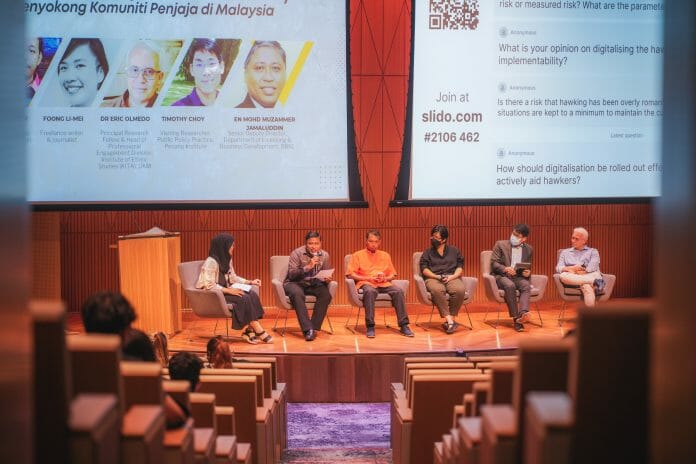
In a launch event at the Asia School of Business campus, researchers of the ASEAN Research Center shared their insights and findings with an audience of industry experts, academics, policy-makers and the public, highlighting the cultural importance of hawkers in Malaysia.

“I would like to thank the ASEAN Research Center for spearheading these kinds of research initiatives, which I think are very interesting and unique, especially in the Malaysian context,” said Dr. Ong Kian Ming, former Bangi parliament member, who opened the research launch event with a keynote speech. “I’m quite encouraged to see how it has grown over the past 10 years with different organizations coming in to fill up certain gaps in the Malaysian research space.”

Headed by Dr. Melati Nungsari, Assistant Professor of Economics at Asia School of Business, and Faculty Director of the Maybank ASEAN Research Center, the ARC aims to be the center of intellectual activity in Southeast Asia by conducting impactful research on topics surrounding emerging markets in the ASEAN region.

The launch event shared three new research findings by research associates Shenyi Chua, Kar Yern Chin and Fatin Nadhirah Jamalolail, including “Hawker Livelihood During the Pandemic”, “Mapping Hawkers in Malaysia Using Machine Learning (ML)” and “Collective Agency of Hawkers and Roles of Hawker Organisations,” respectively.

In her research, “Hawker Livelihood During the Pandemic,” Shenyi Chua coupled quantitative and qualitative analysis to explore street hawking as a business in the Klang Valley, as well as the business owner’s perception of credit, and their overall experience in terms of business operations, livelihood and well-being during the pandemic.

Amongst her findings, Chua found that many hawkers received limited support externally and were mostly self-reliant in order to stay afloat during the pandemic, even though they were unable to operate per usual. She also concluded that a majority of them reported a loss of profit, with 40% having to temporarily close their businesses due to regulations put in place during the first MCO lockdown in March 2020.

Additionally, while many hawkers are able to cover their costs with sales, 30% struggle to make ends meet. In his research, “Mapping Hawkers in Malaysia Using Machine Learning (ML),” Kar Yern Chin conducted an exercise of mapping hawker distribution across Malaysia using Machine Learning (ML), computer vision tools, and street image data.

The research center’s first foray into supplementing research with ML, this study sought to calculate the number of hawkers there are in the Malaysian peninsula – and if entire hawker communities can be mapped out. This study also found that due to low barriers of entry, and since hawking was considered by many to be an alternative to formal employment, the number of hawkers detected on the road increased by more than 200% during the pandemic.

In her research, “Collective Agency of Hawkers and Roles of Hawker Organisations,” Fatin Nadhirah Jamalolail used qualitative data from interviews to study the collective agency of hawkers and the roles of hawker organizations, noting that these organizations could benefit from decentralization as it can be utilized in terms of privatization and delegation of certain roles and responsibilities to better represent street hawkers, consequently improving their well-being.

The research launch event closed with a panel discussion moderated by Fatin Nadhirah Jamalolail with special guests, including Tuan Kamarul Nizam, President, Persatuan Peniaga Pasar Malam Bumiputera Shah Alam dan Klang; En Mohd Muzammer Jamaluddin, Senior Deputy Director, Department of Licensing and Business Development, DBKL; Foong Li-Mei, Journalist; Timothy Choy, Visiting Researcher in Public Policy Practice, Penang Institute; and Dr Eric Olmedo, Head of Professional Engagement Division, Institute of Ethnic Studies (KITA), UKM.

The panel discussion provided commentary on the flagship research while exploring how the Malaysian hawker community can be supported and noting the value of nostalgia in regard to street culture. “That’s why we keep going back to the hawker stalls even after more official spaces have been provided,” said Foong Li-Mei, freelance writer and journalist, with regard to how hawkers play into the social fabric of Malaysian society.

In your career, you will likely face uncertain scenarios at different stages where the future is unclear. Be it complex projects, challenging workplaces, or stagnant careers, people around the globe have wrestled with ‘graves of FUD,’ or, fear, uncertainty, and doubt – which can lead to feeling stuck. Doubts about a lack of career advancement opportunities, fears of being passed over for promotions, and envy from witnessing peers move ahead in their careers are potential graves you can fall into.
Sometimes, uncertainty can involve not knowing what steps to take to advance in your career, fill existing knowledge gaps, or figure out how to pivot industries, companies, or countries. The pandemic has sparked an explosion in FUD globally, as billions grappled with unprecedented change and had to adapt in rapid fashion to survive. In this uncertain landscape, can an MBA help professionals upskill and position themselves to ride the waves of change?

If you are an experienced working professional or an entrepreneur wanting to upgrade yourself, the right question isn’t “if” but “which” MBA you should pursue. Which MBA program will equip you to hone your skills and rise to meet global demands? Read on to learn more about ASB’s MBA program and how our graduates are well-positioned to thrive in a post-pandemic world.

Hands-on learning opportunities to gain accelerated real-world experience

Traditional MBA programs are heavily classroom-centric and based primarily on a theoretical curriculum. As the work landscape changes, the right MBA program for you must be in tune with these changed realities. In the ASB MBA program, students spend a significant portion of their time outside the classroom working on real-world, hands-on Action Learning projects in companies across Asia and the global, gaining practical experiences and applying their classroom learnings in an iterative fashion.

Gabrielle Barnette (MBA Class of 2022), an international relations professional from the US whose Mandarin language proficiency landed her a job in Hong Kong, decided to pursue an MBA after discovering a lack of management skills when she became the head of office operations in her company. “There were lots of gaps that I had to fill in terms of management. I thought the next logical step would be to do an MBA.

I am someone who learns through action and experience, and I only looked at MBA programs with lots of experiential learning. I came across the ASB MBA and learned about the Action Learning projects and how integrated the experiential learning component is in the curriculum and the entire MBA experience, and realized it was exactly what I needed!”

ASB’s MBA curriculum includes multiple Action Learning consultancy-type projects with five different company placements, giving students a wide range of experiences across companies, industries, and functions in an accelerated time frame.

An MBA curriculum designed to hone the skills desired by employers

As the world changes, the skills required to adapt to and thrive in it evolves too. And as sustainable development becomes a growing concern for the world, equipping the workforce with the right skills to solve sustainability challenges is also of rising importance. A 2021 report by Quacquarelli Symonds on the relationship between graduate skills and employer expectations found that the graduate skills gap is a global and widespread issue across industries and firms of all sizes.

For MBA employers, the top 5 most important skills valued by employers are: communication, strategic thinking, interpersonal skills, management, data skills, and leadership. Yet these skills had the lowest satisfaction scores among employers, while skills like academic achievement and finance had the highest satisfaction scores. Considering what your future employer might value is an important factor in deciding which MBA program to select.

Through its highly-experiential, application-driven curriculum, the ASB MBA is designed to help students cultivate the skills most valued by employers globally.The ASB MBA  full-time and working professionals boasts an award-winning curriculum with an innovative mix of rigorous classroom learning and Action Learning projects in leading companies across Asia while learning from a diverse student body of peers.

Combining the best of MIT Sloan’s rigor with hands-on perspectives from Asia, the world’s fastest-growing region, the ASB MBA is an excellent choice for ambitious, capable professionals looking to future-proof and take their careers to the next level.