





TWO in three Malaysians were satisfied with their financial situation in 2025, up from less than half in 2018, according to the latest World Values Survey (WVS) Wave 8 findings.
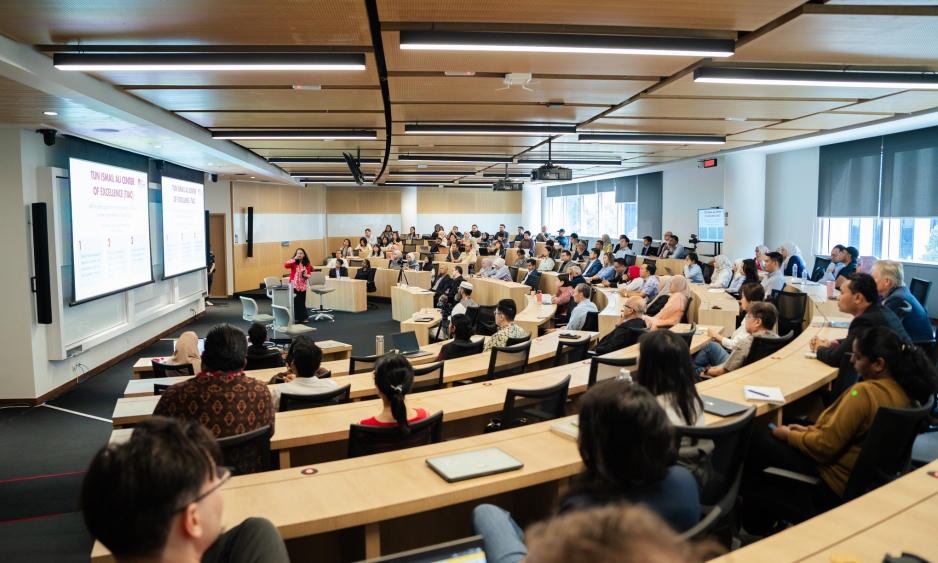
The survey, presented by Asia School of Business (ASB) and Monash University Malaysia on Nov 16, found that 66% of respondents reported high financial satisfaction last year, compared with 48% in the previous survey.
Overall life satisfaction also reached its highest level across all survey waves in Malaysia, with 79% of respondents reporting high satisfaction with their lives while 81.3% expressed high satisfaction with their family and home life.
“The share of respondents who rated their household finances at least 7 out of 10 rose from 48% in 2018 to 66% in our latest survey,” Professor Grace Lee Hooi Yean, head of the Department of Economics at Monash University Malaysia, said in a statement.
However, she said around six in 10 respondents in both surveys reported that their families had just got by, drawn on savings or borrowed money over the preceding year.
“For policymakers, a practical measure of progress is whether more families can put money aside for an unexpected bill,” she added.
Meanwhile, research presented by ASB Associate Professor Sam Flanders found that Malaysians with differing values and outlooks generally showed similar levels of support for artificial intelligence (AI), with optimism about technology being the only consistent predictor across 11 value groups identified in the study.
“Malaysians and Canadians can arrive at similar levels of support for AI for almost opposite reasons,” Flanders said.
He added that among faith-centred institutionalists, a group more common in Malaysia, AI was viewed as a tool that trusted institutions could use to drive development and prosperity, while secular cosmopolitan liberals, more common in countries such as Canada, were more concerned about Big Tech’s influence and potential job losses.
A separate study by ASB Associate Professor Dr Yi-Ren Wang and Angad Singh found that perceptions of fairness and the enforcement of rules influence Malaysians’ respect for authority, views on success and beliefs about social mobility, with those who believed rules were properly enforced being 1.53 times more likely to respect authority.
Originally published by The Malaysian Reserve.